Korean Books Recommended by K-Celebs: What They Are Reading
This post is written in collaboration with bestbookreviewguide.com.
Korean celebrities may be global icons of music, fashion, and film—but off-stage, many of them are avid readers who find solace, inspiration, and strength in the pages of a good book. From BTS RM’s literary picks to BLACKPINK Jennie’s comforting reads, K-celebs have been spotted recommending and posting about books that span genres like fiction, memoir, thrillers, and self-help.
If you’re looking to build your TBR (To Be Read) list with Korean literature—or want to read like your favorite idol—this roundup brings you a curated collection of Korean books recommended by Korean celebrities, complete with who recommended what and why it matters.
1. Kim Ji-young, Born 1982 by Cho Nam-joo
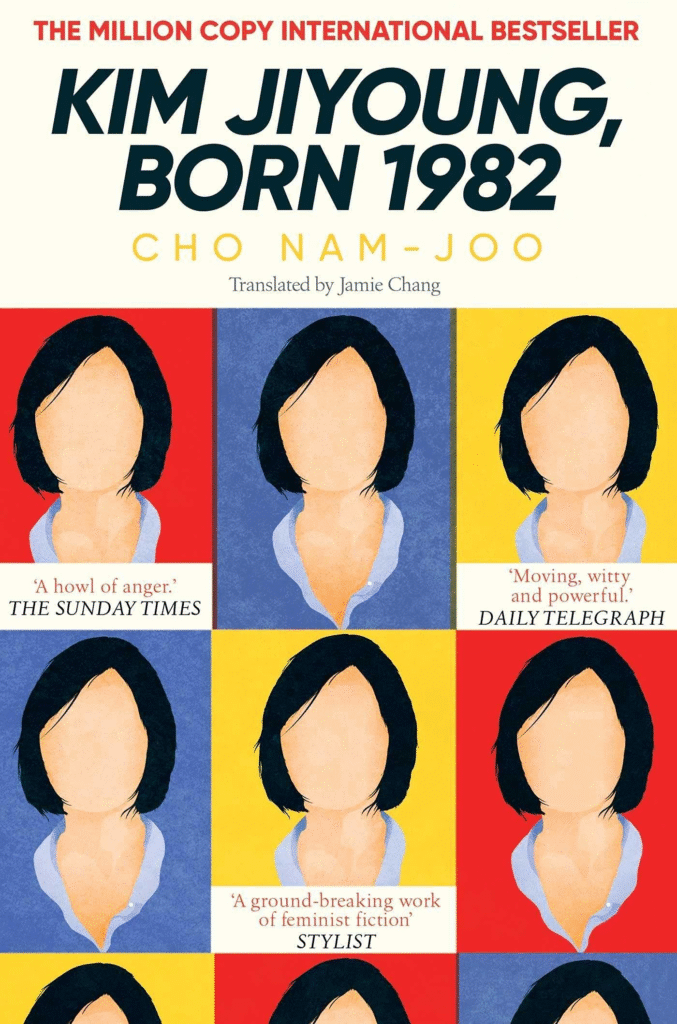
Recommended by: BTS RM, Red Velvet’s Irene, Suzy
One of the most influential Korean novels in recent history, Kim Ji-young, Born 1982 by Cho Nam-joo is a groundbreaking feminist work that chronicles the life of an ordinary Korean woman as she endures the layered, often invisible forms of sexism and patriarchal pressure embedded in everyday life. From childhood to marriage and motherhood, Ji-young’s experiences reflect the struggles faced by countless women in South Korea and beyond, making the novel a mirror of systemic gender inequality.
What sets this novel apart is its realism and unflinching social commentary. It seamlessly blends fiction with statistics and real-world news reports, making the protagonist’s story feel deeply personal yet universally resonant. The book struck a nerve when it was published, igniting national debates about feminism, mental health, and gender roles in Korean society.
The impact reached even further when high-profile celebrities publicly supported the book:
- RM of BTS called it “eye-opening,” emphasising how important it was for men to understand the gendered experiences women face. His mention introduced the book to millions of global fans, many of whom picked it up after his recommendation.
- Red Velvet’s Irene was photographed reading it at a fan signing event, which instantly went viral. Her quiet but powerful choice to be seen with the book sparked a nationwide discussion, prompting both praise and backlash—and proving just how controversial and culturally significant the novel had become.
- Suzy, the beloved actress and singer, shared in interviews how she felt a deep emotional connection to the protagonist, relating to Ji-young’s quiet frustrations and the societal expectations placed on women. Her candid remarks resonated with many young women, encouraging open conversations about gender identity and emotional labor.
Since its release, Kim Ji-young, Born 1982 has sold over a million copies in South Korea alone and has been translated into multiple languages. It remains a powerful literary symbol in Korea’s modern feminist movement, and its widespread celebrity endorsements only highlight its continuing cultural relevance.
Why read it: A bold, accessible feminist critique of everyday misogyny in modern Korea.
2. Almond by Sohn Won-pyung
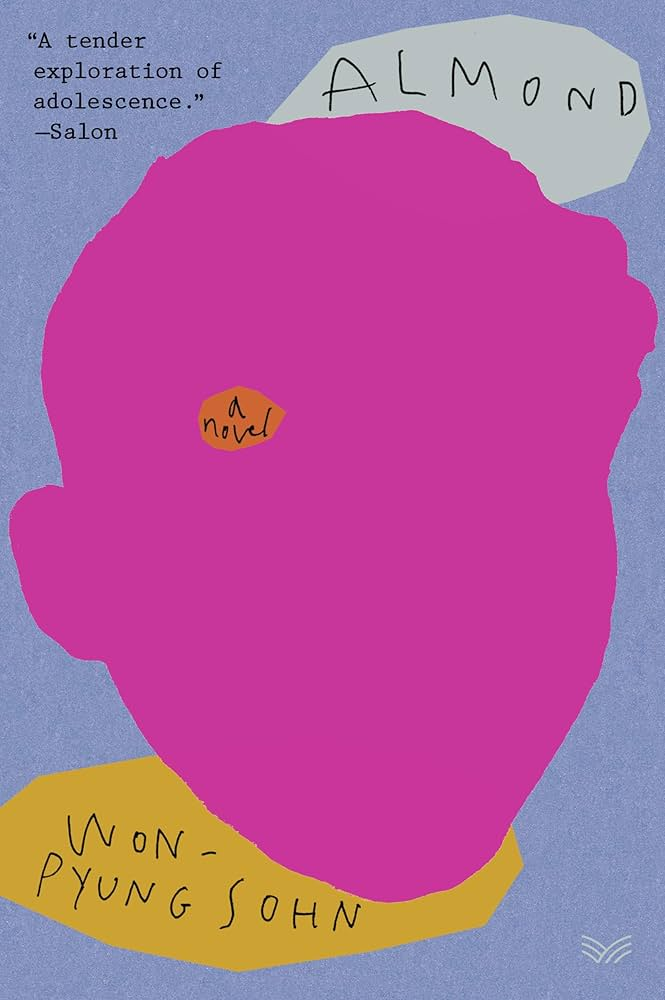
Recommended by: BTS RM, IU, TXT’s Beomgyu
“Almond” is a powerful coming-of-age novel that follows Yunjae, a boy born with alexithymia—a brain condition that makes it difficult for him to feel or express emotions like fear, anger, or love. Raised by a mother and grandmother who try to teach him how to navigate a world full of feelings he cannot process, Yunjae’s life takes a dark turn after a sudden tragedy shatters the safe cocoon of his upbringing.
As Yunjae is thrust into the harsh realities of the world, he forms a turbulent yet meaningful friendship with Gon, a boy full of rage and hurt. Through their complicated bond, Yunjae slowly begins to unravel what it means to be human, to hurt, and most importantly—to love.
This novel doesn’t just tell a story about emotional growth; it forces readers to reflect on how society treats people who are “different.” It explores themes of empathy, trauma, healing, and acceptance in a voice that is both sparse and deeply touching.
- RM of BTS described “Almond” as “emotionally moving,” noting how its quiet yet powerful storytelling lingers long after you’ve turned the last page.
- IU found the book “comforting and profound,” recommending it to those going through difficult or lonely times.
- Beomgyu (TXT) praised the novel for its message about the importance of empathy—how it’s something we can all learn, even if it doesn’t come naturally.
If you’re looking for a book that’s simple in language but deep in meaning, “Almond” is a must-read. It’s a poignant reminder that even those who struggle with emotions can learn how to connect—and that sometimes, it’s our pain that opens the door to our humanity.
Why read it: A heartwarming and emotional tale of growth, perfect for fans of Wonder or The Curious Incident of the Dog in the Night-Time.
3. I Want to Die but I Want to Eat Tteokbokki by Baek Sehee
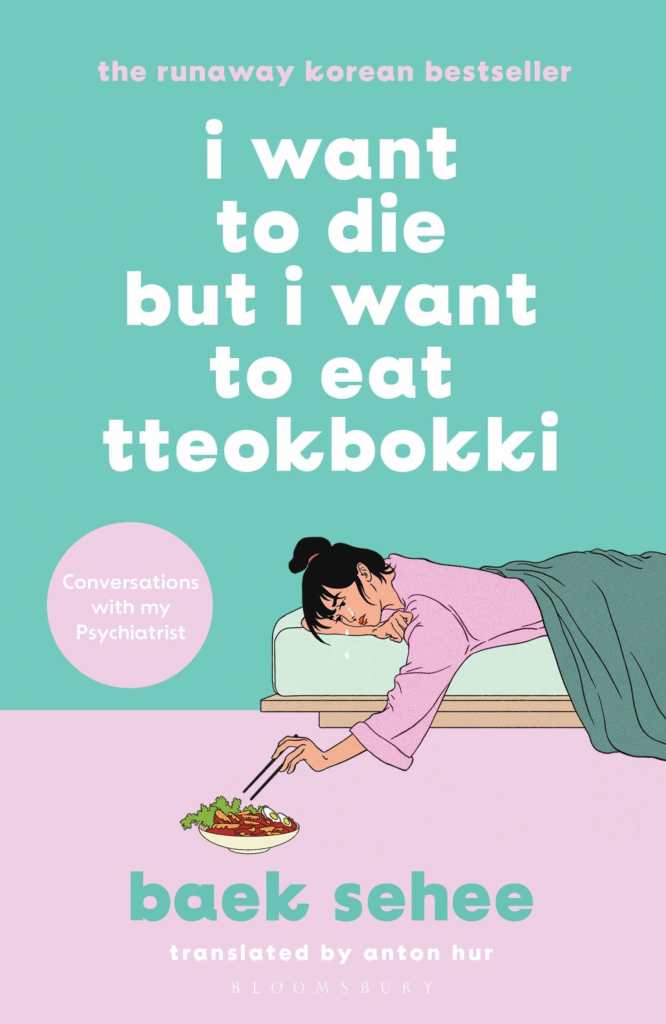
Recommended by: Taeyeon (SNSD), Jae (ex-DAY6), Kim Go-eun
This strikingly titled memoir isn’t just a viral hit in Korea—it’s a deeply resonant piece of mental health literature that’s captured the hearts of both everyday readers and Korean celebrities alike.
I Want to Die but I Want to Eat Tteokbokki is a therapy-session-style memoir written by Baek Sehee, a publishing professional in her twenties who candidly documents her struggle with dysthymia (a form of chronic depression). Through real transcripts of her sessions with a psychiatrist, Baek explores themes of anxiety, self-esteem, burnout, emotional numbness, and the pressure to maintain a perfectly functioning exterior while quietly falling apart inside.
The title itself reflects the duality that many people with persistent mental health conditions feel—the contrast between the desire to disappear and the longing for small joys, like the spicy comfort of tteokbokki (Korea’s beloved rice cake dish).
Several Korean stars have recommended the book as a powerful emotional anchor:
- Kim Go-eun, known for her subtle and emotional acting in dramas like Goblin and Little Women, called it “a book for those who feel tired inside.” She appreciated its ability to hold space for vulnerability without judgment.
- Taeyeon, who has previously opened up about her mental health, shared that this book provided solace during some of her darker periods. It resonated with her deeply and helped her feel less alone.
- Jae, formerly of DAY6, praised the book for its “raw honesty” and unfiltered portrayal of emotional struggle, calling it brave and relatable.
Why read it: If you’ve ever smiled while hurting inside, felt numb while still functioning, or looked for meaning in little pleasures like comfort food or a quiet moment—this book is for you. Whether you’re struggling with your mental health or supporting someone who is, Baek’s story offers connection, understanding, and quiet healing.
4. The Hen Who Dreamed She Could Fly by Hwang Sun-mi
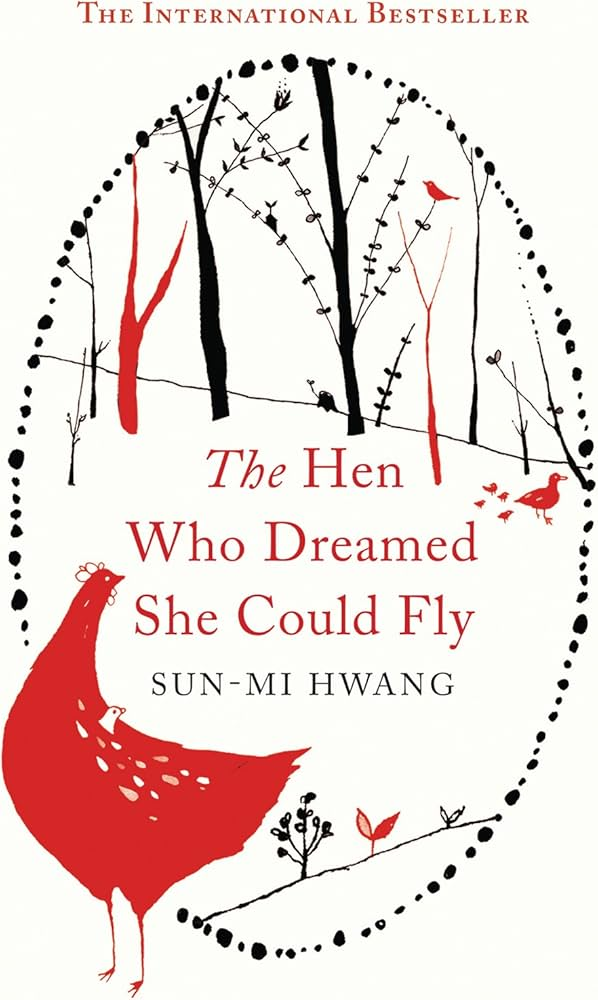
Recommended by: IU, Park Bo-gum, EXO’s D.O.
This internationally bestselling Korean novella is more than just a tale about a barnyard animal—it’s a profound allegory that resonates deeply with readers of all ages. “The Hen Who Dreamed She Could Fly” tells the story of Sprout, a caged laying hen who longs to break free from her coop and experience life beyond the walls she’s always known. Above all, she dreams of becoming a mother—not just biologically, but emotionally and purposefully.
Written in a deceptively simple style, the book unfolds like a gentle fable, but its message cuts deep: freedom requires sacrifice, love can be found in the unlikeliest of places, and self-identity often comes from choosing your own path against the odds.
This heartfelt journey of courage and maternal devotion has made it a modern classic in Korea, touching the hearts of readers across generations.
- D.O. (Do Kyungsoo) of EXO, known for his sensitive and thoughtful personality, appreciated the book’s literary beauty and emotional clarity, often recommending it to fans and friends alike.
- IU shared it as one of her all-time favourite books, praising its emotional depth and its ability to move readers to tears with quiet, poetic moments. Known for her introspective songwriting and soft-spoken wisdom, IU’s endorsement brought a renewed wave of interest to this beloved story.
- Park Bo-gum, often admired for his gentle charisma, also mentioned how deeply touched he was by the story. He connected with Sprout’s search for purpose and the bittersweet nature of unconditional love.
Why read it: Beautiful, metaphor-rich storytelling suitable for all ages.
5. The Vegetarian by Han Kang
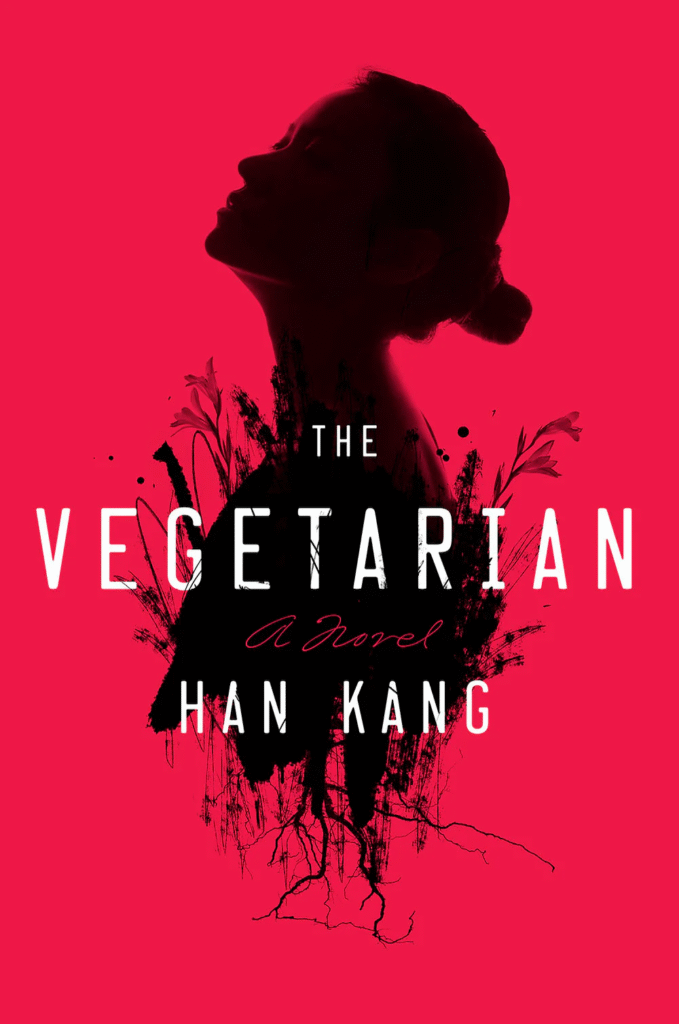
Recommended by: Gong Yoo, Bae Doona, Kim Nam-gil
A haunting and poetic novel, The Vegetarian is a surreal descent into the psyche of a woman who, after a disturbing dream, decides to stop eating meat—a decision that slowly unravels her relationships, marriage, and sense of self. What begins as a simple dietary choice becomes a radical act of rebellion against the expectations of Korean society, gender roles, and patriarchal control.
Told in three parts from the perspectives of her husband, her brother-in-law, and her sister, the novel explores themes of bodily autonomy, repression, and the thin line between madness and liberation. Han Kang’s lyrical prose and psychological depth have captivated readers around the world.
- Gong Yoo, known for his thoughtful taste in literature, has publicly praised The Vegetarian for its multi-layered narrative and emotional intensity, calling it a “story that lingers in your bones.” Meanwhile, actress
- Bae Doona, celebrated for her bold artistic choices, has often recommended Han Kang’s works, citing the author’s ability to “reveal the unspoken pain and silence many women endure.” Bae’s deep admiration for Kang’s writing is reflected in her support of feminist and boundary-pushing literature.
A must-read for those who appreciate dark psychological fiction and literary novels that challenge cultural expectations, The Vegetarian is not just a book—it’s an experience that changes the way you think about identity, choice, and the body.
Why read it: A haunting and literary dive into psychological transformation.
6. The Good Son by You-jeong Jeong
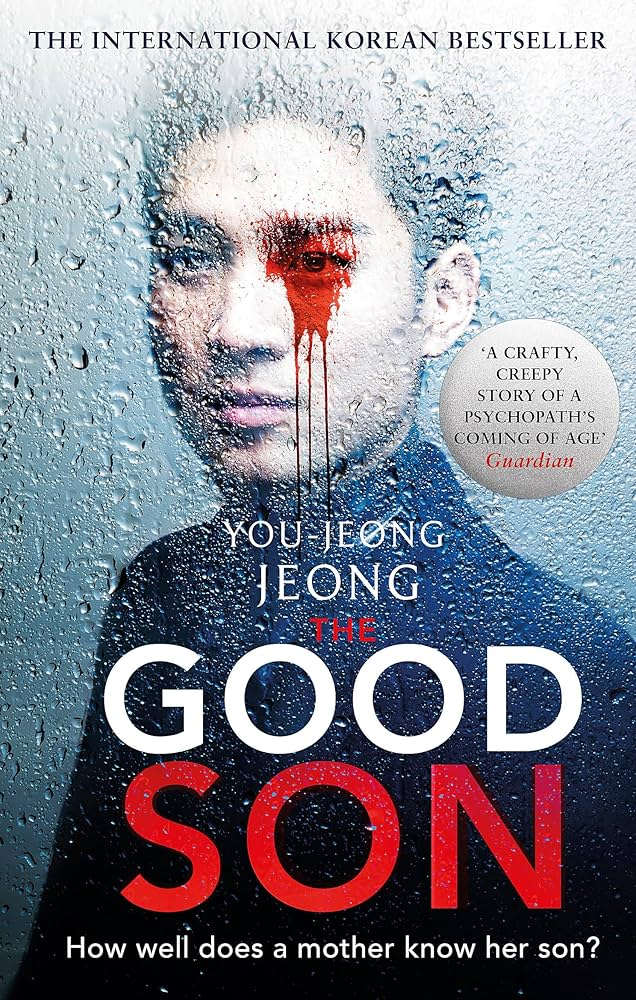
Recommended by: BTS Jin, Nam Joo-hyuk
A gripping psychological thriller that begins with a jolt: 25-year-old Yu-jin wakes up covered in blood next to the corpse of his mother—who has been brutally murdered. The only problem? He can’t remember what happened. As he attempts to retrace the events of the previous night, Yu-jin becomes both the detective and the prime suspect in his own mind. The deeper he digs, the more twisted and terrifying the truth becomes.
What makes The Good Son so unforgettable is its intimate, claustrophobic first-person narrative, which allows readers to experience Yu-jin’s unraveling psyche firsthand. It’s a chilling character study that explores the thin line between love, control, and madness—making it not just a crime novel, but a deeply psychological exploration of a disturbed mind.
- BTS’s Jin recommended the book for its relentless suspense and “how it pulls you inside the main character’s thoughts in a disturbing but fascinating way.”
- Nam Joo-hyuk praised the novel for its “brilliantly executed plot twists that you never see coming,” adding that it’s the kind of book that lingers in your mind long after you finish it.
Why read it: Perfect for fans of Gillian Flynn or Stephen King, The Good Son offers a uniquely Korean perspective on the psychological thriller genre—dark, elegant, and utterly terrifying.
7. Human Acts by Han Kang
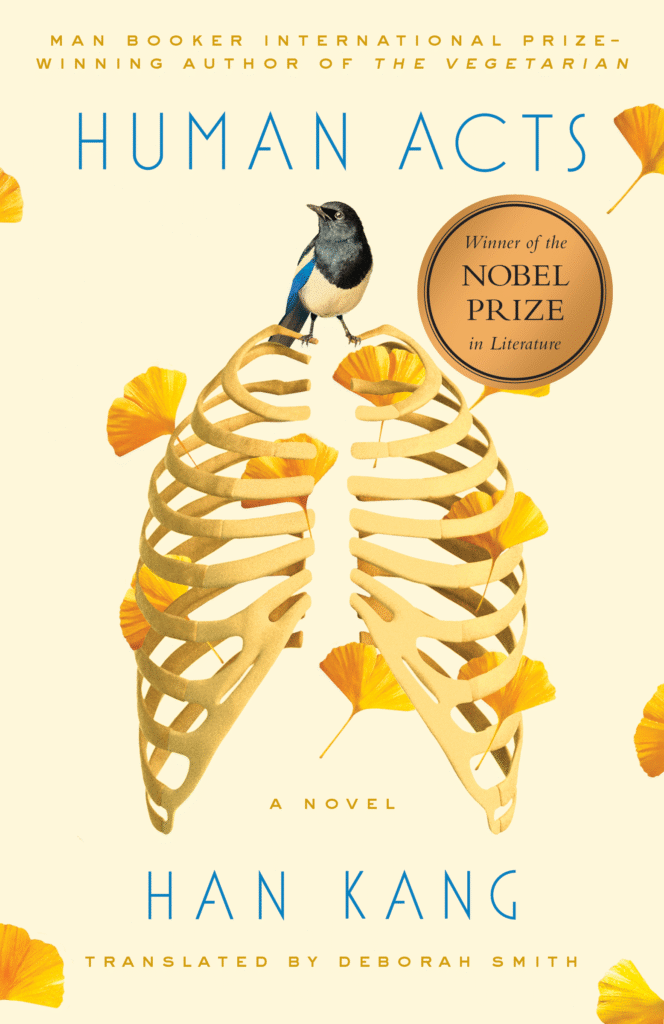
Recommended by: Suga (BTS), Yoo Ah-in, Kim Hye-soo
“Human Acts” is a harrowing and deeply moving novel that revisits the Gwangju Uprising of 1980—one of the most tragic and pivotal moments in modern Korean history. Through interconnected chapters narrated by different characters, including a grieving mother, a traumatised editor, and a ghostly voice from the afterlife, Han Kang paints a visceral portrait of collective trauma, personal grief, and the unyielding fight for human dignity in the face of unspeakable violence.
Rather than presenting a single narrative, the book’s multi-perspective format allows readers to experience the psychological and emotional aftermath of state brutality from all angles—witness, victim, survivor, and those left behind. It’s a work that challenges silence and historical erasure, inviting readers to confront the pain that lingers across generations.
- BTS’s Suga named Human Acts as one of the most powerful and unforgettable books he’s read, citing how it deeply moved him and offered insight into Korean history that still shapes the nation today.
- Actor Yoo Ah-in, known for his outspoken views on art and activism, has openly supported literature that addresses social issues and suppressed histories, including Human Acts. His appreciation for works like this underscores his belief that storytelling can be a form of resistance.
More than just a novel, Human Acts is a memorial in words—a reminder of what it means to live, remember, and speak out.
Why read it: Raw and poetic, it’s essential for understanding Korea’s political history through fiction.
8. Shoko’s Smile by Choi Eun-young
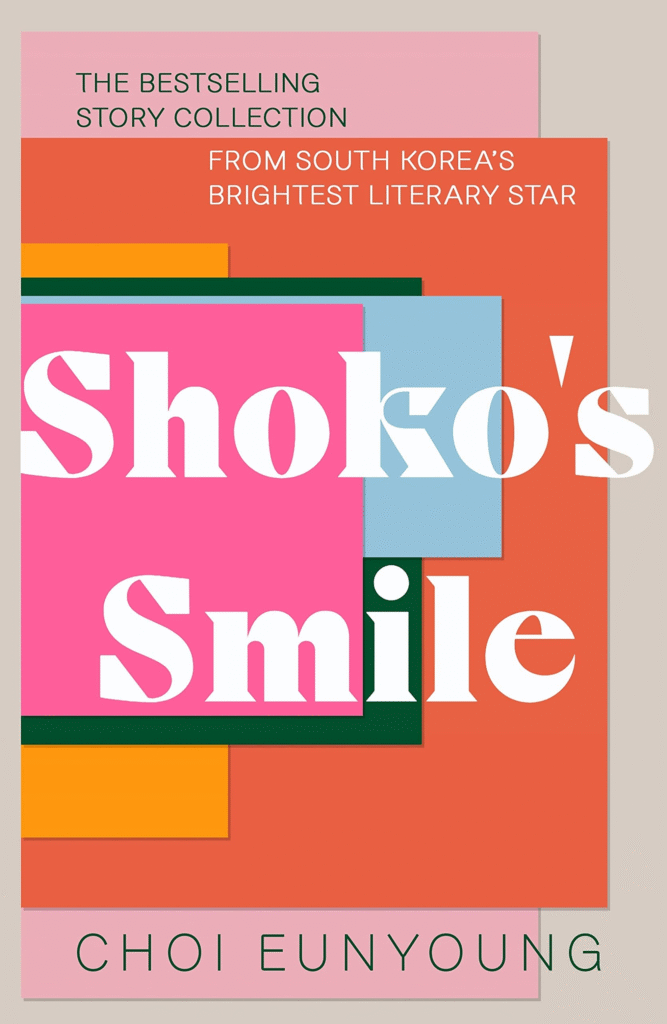
Recommended by: Kim Da-mi, Kim Tae-ri
A striking short story collection—or more accurately, an interwoven novel-in-stories—that dives into the lives of modern South Korean women navigating an unforgiving world shaped by beauty standards, class divides, and quiet emotional endurance. Told through the eyes of multiple female characters, the book explores friendships, identity, and the subtle yet powerful forces that shape a woman’s place in contemporary Seoul.
With sharp observations and lyrical prose, Frances Cha paints a deeply human picture of women who appear strong on the outside but are carrying invisible weights. Each story gives voice to the unspoken emotions and survival instincts many readers—especially women—can relate to.
- Kim Da-mi praised the delicate, intimate writing, saying it reminded her of emotions she rarely put into words.
- Kim Tae-ri, known for her thoughtful and introspective roles, called the book “emotionally resonant,” reflecting on how the characters’ internal struggles felt raw and deeply familiar.
Whether it’s the ache of societal expectations or the warmth of female camaraderie, If I Had Your Face delivers quiet power in every chapter. It’s not just a book—it’s a mirror into the heart of modern womanhood, set against the vibrant yet demanding backdrop of South Korea.
Why read it: Literary fiction fans will appreciate its subtle brilliance.
9. The Plotters by Un-su Kim
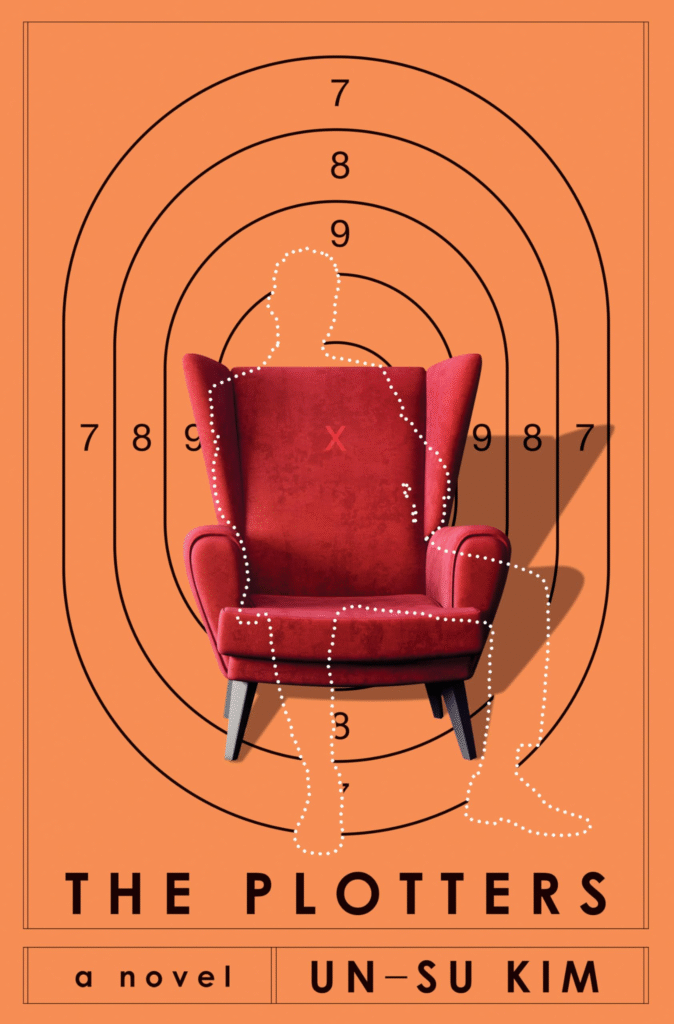
Recommended by: Lee Dong-wook, Cha Eun-woo
“The Plotters” by Un-su Kim is a gripping and noir-infused literary thriller set in an alternate version of South Korea, where behind every political assassination or power shift lies a secret network of “plotters” who orchestrate the outcomes. At the heart of the story is Reseng, an orphan raised in a shadowy library by a man known only as Old Raccoon—a keeper of secrets and contracts for hired killers. Trained as an assassin, Reseng has never questioned the system—until he does. As he begins to deviate from orders, the story spirals into a compelling meditation on free will, violence, and institutional control.
With its philosophical undertones, stylized violence, and dark humor, The Plotters dives deep into themes of agency, loyalty, and the machinery behind power. The novel balances literary prose with cinematic suspense, making it a standout in modern Korean literature that has resonated globally.
- Lee Dong-wook, known for his roles in Tale of the Nine-Tailed and Goblin, praised the novel for its raw, uncompromising grit and emotional complexity. He reportedly appreciated the book’s portrayal of inner conflict and moral ambiguity—a reflection of the layered characters he often portrays onscreen.
- Cha Eun-woo, the idol-turned-actor known for his bright image and intellect, publicly mentioned The Plotters as one of the novels he added to his personal reading list. Fans noticed it on his bookshelf during a livestream, prompting conversations online about the unexpected choice. The inclusion suggests a deeper, introspective side to the ASTRO member, and aligns with his growing interest in thought-provoking literature.
For fans of Korean thrillers, morally complex protagonists, and sleek, stylish writing, The Plotters is a must-read—and knowing it’s been read and appreciated by stars like Lee Dong-wook and Cha Eun-woo makes it all the more compelling.
Why read it: A fast-paced mix of philosophy and action.
10. Flowers of Mold by Ha Seong-nan
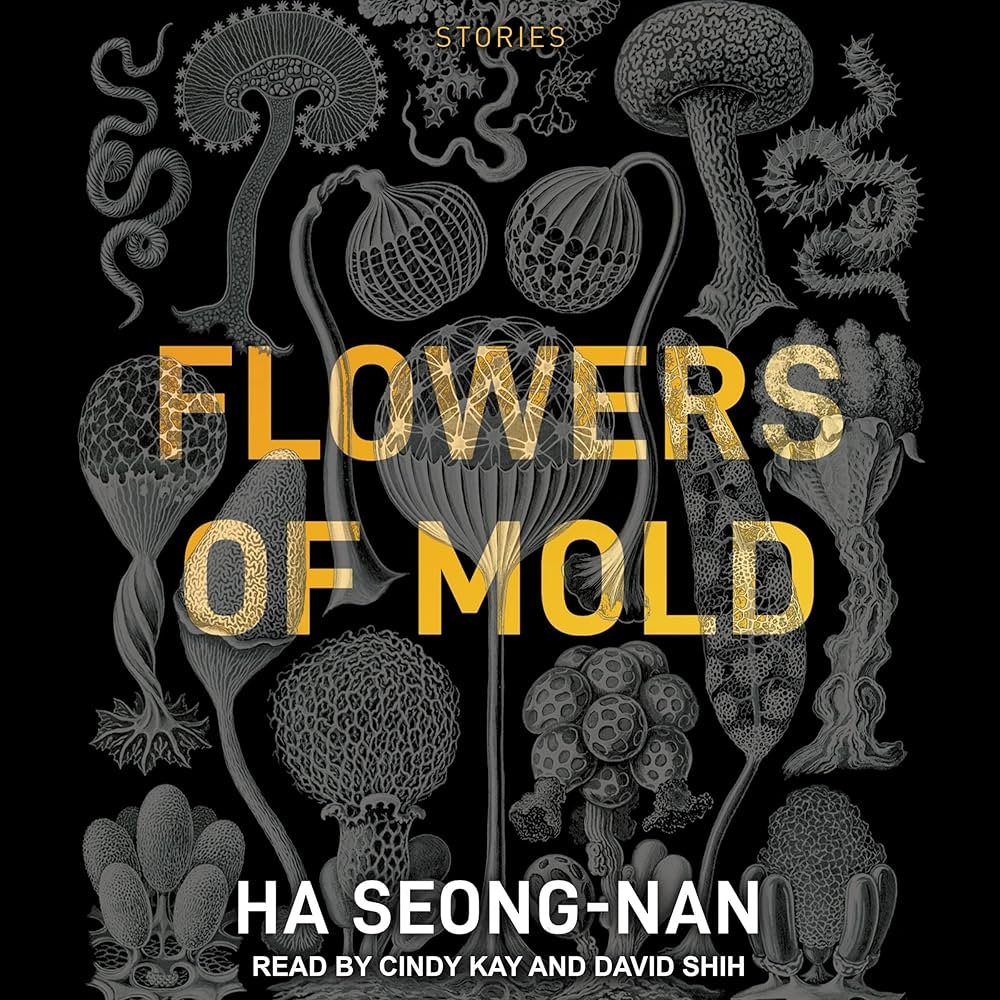
Recommended by: Lee Sung-kyung, Hyun Bin
Flowers of Mold is a chilling, atmospheric collection of short stories that delves deep into the shadows of modern life. Written by acclaimed South Korean author Ha Seong-nan, the book explores themes of urban isolation, obsession, paranoia, and the unsettling strangeness hidden within everyday routines. Each story takes place in mundane city settings—apartment complexes, narrow alleyways, convenience stores—but Ha infuses these spaces with a haunting sense of unease.
Think of it as quiet horror without monsters—the kind that creeps in through cracked windows, awkward silences, or the routines we don’t question. It’s the type of fiction where the horror is subtle, psychological, and disturbingly real.
- Hyun Bin called it “quietly intense and deeply thought-provoking,” noting how the characters’ inner turmoil lingers long after the story ends.
- Lee Sung-kyung, known for her introspective nature, loved the collection for its complex psychological layers, saying it “makes you question your own emotional distance from the world
Why read it: Perfect for fans of Shirley Jackson, Ottessa Moshfegh, or Han Kang, Flowers of Mold is a literary experience that unsettles you—not with gore, but with the claustrophobia of everyday life unraveling.
11. When You’re Feeling Lost by Kim Soo-hyun (author)
Recommended by: Jennie (BLACKPINK), Park Seo-joon
When You’re Feeling Lost by Yumi Sakugawa is a beautifully minimalist, illustrated book that serves as a gentle companion during life’s uncertain moments. With its soothing visual style and simple, yet profound reflections, the book combines comforting quotes, self-care prompts, and meditative affirmations that speak directly to the heart. It’s not the kind of book you read once and shelve—it’s something you return to again and again, especially in times of emotional overwhelm or burnout.
- BLACKPINK’s Jennie shared a snapshot of the book on her Instagram Stories during a period of personal downtime, quietly signaling its importance to her healing process. The post resonated with fans who saw the gesture as a glimpse into her more vulnerable, introspective side.
- Actor Park Seo-joon has also publicly recommended the book, describing it as “a balm for the soul.” He mentioned in an interview that the book helped him ground his thoughts during a hectic filming schedule, offering bite-sized wisdom that could be absorbed even in brief moments of quiet.
Why read it: Whether you’re going through a tough time or just craving a moment of mental stillness, When You’re Feeling Lost is a gentle guide back to yourself—no heavy reading required. It’s the kind of book Korean celebrities reach for when life gets noisy, and peace feels far away.
12. Name is a Name by Kim Eana
Recommended by: Taeyeon (SNSD), Tablo (Epik High)
In her reflective and evocative book “Name Is a Name” (이름이 이름에게), renowned lyricist Kim Eana delves into the emotional power and deeper meanings behind names—how they shape identity, evoke memory, and carry unspoken stories. Known for penning some of K-pop’s most iconic lyrics (for IU, Brown Eyed Girls, and EXO), Kim Eana brings the same lyrical sensitivity to her prose, offering readers an introspective look into how something as simple as a name can carry profound resonance.
- Taeyeon, Girls’ Generation’s powerhouse vocalist, has expressed her admiration for Kim Eana—not just as a lyricist, but as an emotional storyteller. In interviews and social media, Taeyeon has recommended this book for its delicate language and depth, calling it “a healing read.”
- Tablo, Epik High’s leader and a Stanford literature graduate, also endorsed Name Is a Name, praising it for its poetic structure and emotional clarity. As someone who has always championed lyrical depth in both music and writing, Tablo called the book a “small masterpiece,” adding that it reads like a conversation between your past and present selves.
Why read it: Whether you’re a fan of K-pop, a lover of words, or simply someone drawn to quiet yet powerful reflections on identity, Name Is a Name offers a deeply personal and universally resonant experience—one that has moved Korea’s most celebrated artists at their core.
13. The Court Dancer by Shin Kyung-sook
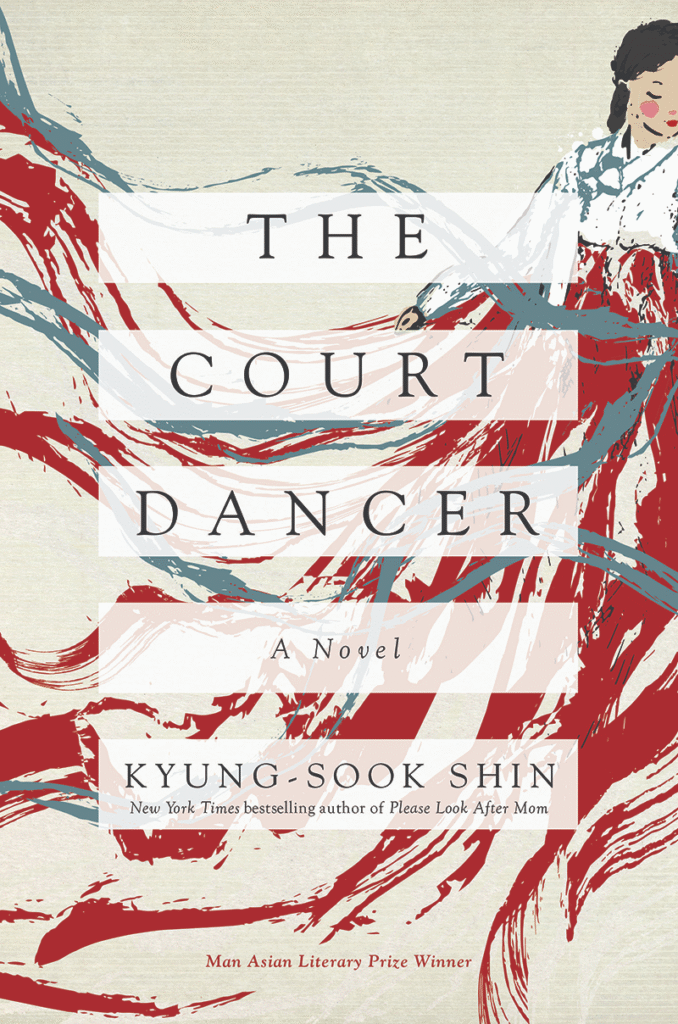
Recommended by: Song Hye-kyo, Yoo In-na
Based on a remarkable true story, this historical novel paints a cinematic portrait of a Joseon-era court dancer who defied the strict conventions of her time. In the 1890s, during a turbulent period of modernization and colonial tension, a talented young dancer from the royal court of Joseon was invited to France as part of a diplomatic cultural exchange. What began as a performance became a deeper act of cultural ambassadorship. Against all odds, she became a cultural bridge between East and West, showcasing Korean traditional art on the stages of Paris, and influencing perceptions of Korea in Europe at a time when the nation was often misunderstood or overlooked.
- Actress Song Hye-kyo, known for her passion for Korean history and art, called the book a “rare historical gem”, praising its richly detailed depiction of late Joseon life and its elegant, melancholic tone. “The story is beautifully layered and feels like reading a silk painting,” she noted in a press interview.
- Yoo In-na, another beloved actress, described the book as “cinematic”, saying, “Each scene unfolds like a period film—I could almost hear the sound of silk hanboks and see the dim glow of lanterns.”
What sets this novel apart is its lyrical prose and deep empathy for its protagonist—a woman torn between duty, art, and freedom. The narrative captures both the fragility and resilience of women in history, making it a powerful read for fans of books like Pachinko or Memoirs of a Geisha.
Why read it: Whether you’re drawn to historical fiction, feminist narratives, or cross-cultural stories, this novel offers a visually rich and emotionally resonant journey through an underrepresented chapter of Korean history.
14. Diary of a Murderer by Kim Young-ha
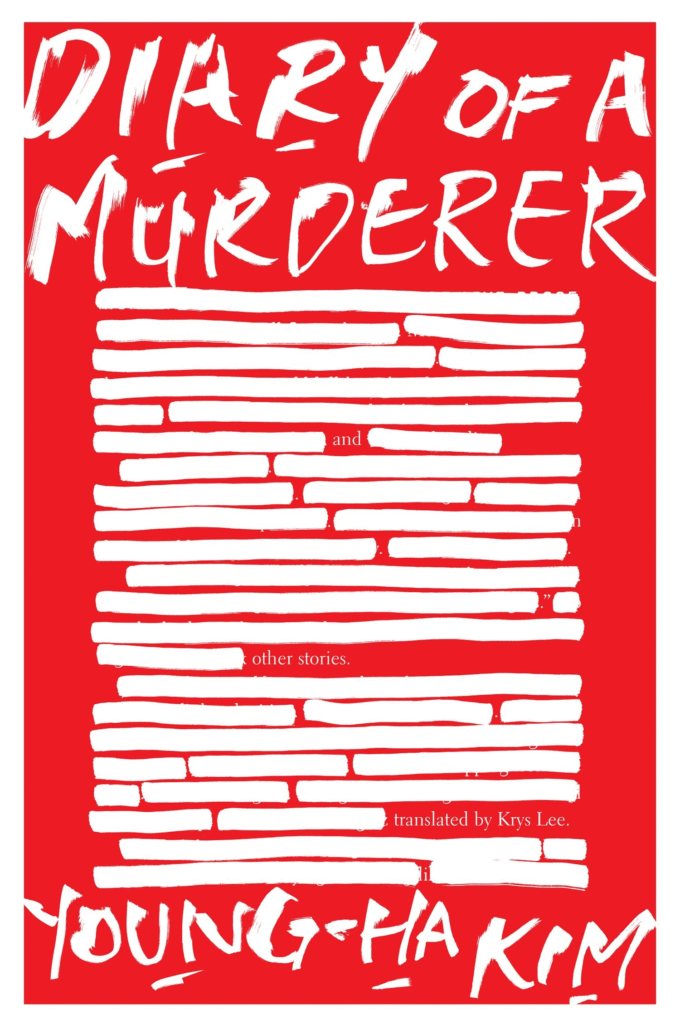
Recommended by: Kim Seon-ho, Jung Hae-in
In this haunting and genre-defying thriller, an aging serial killer suffering from Alzheimer’s is thrust into a race against time—not just to stop a new killer, but to preserve the fragments of his crumbling mind before they vanish forever. As his memories deteriorate, so does his ability to distinguish past from present, guilt from innocence, and predator from prey.
Once a meticulous and calculating murderer, the protagonist is now a shell of his former self, scribbling down confessions and clues before they disappear into the abyss of his condition. When a young girl goes missing under suspiciously familiar circumstances, he suspects that a new monster has emerged—and may be trying to frame him. To stop the cycle of violence, he must confront both his buried past and the terrifying possibility that he may have forgotten something far worse.
Set against the backdrop of a quiet Korean suburb hiding monstrous secrets, this story is an unflinching examination of morality, memory, and mortality.
- Kim Seon-ho called it “brilliantly unsettling — a crime novel that’s both disturbingly human and chillingly honest.”
- Jung Hae-in described it as “a mental rollercoaster that grabs you by the spine and doesn’t let go until the last shattering revelation.”
Why read it: For fans of thrillers with unreliable narrators and sharp prose.
Final Thoughts: Read Like a K-Celeb
K-Celebs have proven time and again that reading is part of their personal growth, creativity, and self-reflection. Whether it’s IU reading poetic fables, RM diving into psychological narratives, or Jennie posting comfort reads on Instagram, their choices highlight the richness of Korean literature.
So why not let your next book be one loved by a K-pop idol or Korean actor? These books don’t just reflect literary taste—they offer a window into the lives and values of Korea’s most beloved stars.