
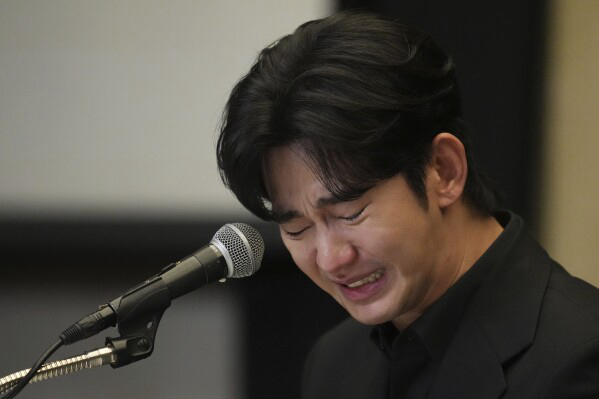
When a scandal breaks in the entertainment industry, the world watches closely — and how a celebrity responds can shape the rest of their career. In South Korea, the approach to public controversy often looks very different from what we see in Western entertainment. From swift public apologies to quiet retreats from the spotlight, Korean celebrities have developed a crisis management playbook that blends cultural values, media expectations, and career preservation strategies.
This article explores how Korean stars handle scandals, why it works (or doesn’t), and what the West could take away from their approach.
The Culture of Immediate Response
In Korean entertainment, timing is everything. When a scandal breaks — whether it’s a dating rumor, a past comment, or a legal issue — K-celebs and their agencies often release statements within hours. This rapid response isn’t just about speed; it’s about demonstrating responsibility before public opinion hardens.
By contrast, Western celebrities may wait days or even weeks before addressing the media, often on their own terms via interviews or social media. In Korea, waiting too long risks being seen as evasive, which can lead to harsher public backlash.
Public Apologies as a Cultural Norm
One of the most distinctive elements of Korean scandal management is the public apology. Whether the issue is serious or relatively minor, many K-stars stand before cameras or post handwritten letters to express regret.

These apologies often include bowing — a physical gesture of respect and humility — and direct acknowledgment of wrongdoing. Even when the scandal involves something that wouldn’t typically require an apology in the West, Korean celebrities may still do so as a show of accountability to fans and the public.
In Western entertainment, apologies are more likely to be crafted PR statements posted online, with less emphasis on physical sincerity. The Korean approach offers a more human, personal connection.
Temporary Hiatuses — and the Power of Stepping Back
Another major difference is the practice of taking a hiatus. Korean celebrities frequently pause their activities after a controversy, regardless of its scale. These breaks can last weeks, months, or even years, depending on public sentiment.
This step serves two purposes: it allows the public time to cool off and gives the celebrity a chance to reflect and rebuild their image. While some Western stars also take breaks, it’s far less common — especially in an industry where staying relevant often means staying visible.
Agency Involvement and Media Control
In K-pop and K-drama, celebrities are almost always backed by powerful agencies that act as both managers and crisis control teams. These agencies handle everything from drafting apology statements to negotiating with the media, ensuring that the narrative remains as controlled as possible.
In the West, publicists and management teams play a similar role, but there’s often more emphasis on the celebrity speaking directly for themselves. Korean entertainment agencies, however, tend to take full ownership of the situation, sometimes even issuing apologies on behalf of the star before they speak personally.
The Role of Fans in Forgiveness
Korean fandom culture plays a unique role in a celebrity’s redemption arc. Dedicated fan bases can sway public opinion by defending their idols online, organizing supportive projects, and demanding their return to the industry.
In some cases, a strong and vocal fanbase can shorten a celebrity’s hiatus and help restore their popularity. This fan-driven influence exists in the West too, but K-pop fans are known for their intense loyalty and organized efforts, which can significantly impact how quickly an idol bounces back.
When It Works — and When It Doesn’t
Not every scandal in Korea ends in a comeback story. Some issues, particularly those involving criminal charges or severe ethical breaches, can permanently derail a career. However, when handled well — with prompt acknowledgment, sincere apologies, and a respectful hiatus — many celebrities are able to rebuild their public image and return stronger than before.
The Western industry could learn from this structured approach, particularly in emphasizing accountability and allowing space for genuine reflection before a public return.
What the West Can Learn
While cultural differences shape how scandals are perceived and managed, there are a few key takeaways from the Korean method that could benefit Western celebrities:
- Act quickly to address public concerns before narratives spiral out of control.
- Acknowledge mistakes openly to show sincerity and respect for fans.
- Take time away from the spotlight to allow tensions to ease.
- Work closely with a crisis team to maintain consistent messaging.
- Value fan relationships as part of the recovery process.
In a global entertainment landscape where every move is amplified online, blending the Korean emphasis on responsibility with the Western value of personal narrative could be a powerful formula for handling controversies.
Final Thoughts
Scandals are inevitable in the entertainment industry, but how a celebrity responds can determine whether they fade into obscurity or stage a triumphant return. Korean celebrities, with their structured and culturally informed approach, often provide a masterclass in crisis management. For Western stars navigating the age of social media scrutiny, there’s plenty to learn from the way K-celebs bow, apologize, step back, and ultimately come back stronger.