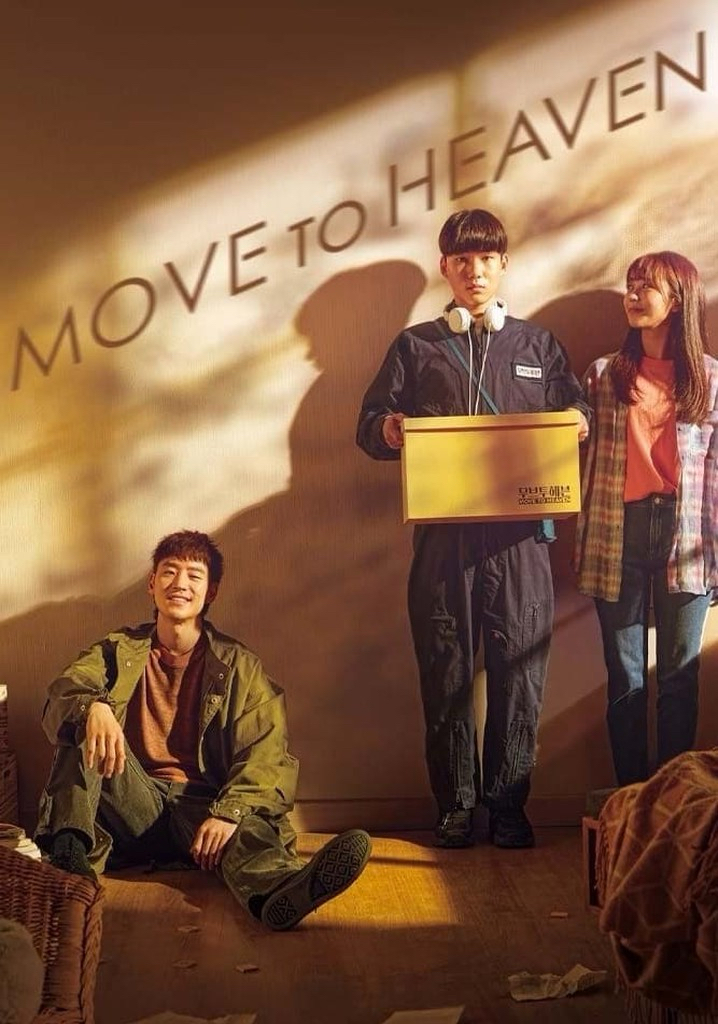
There are dramas that entertain you, dramas that make you cry, and dramas that linger quietly in your chest long after the credits roll. Move to Heaven is the rare series that does all three—gently, profoundly, and with a sincerity that feels almost sacred.
From its opening scenes to its final message, Move to Heaven doesn’t rush, doesn’t manipulate, doesn’t scream for your attention. Instead, it wraps you slowly in its warmth and heartbreak, telling human stories with a tenderness that’s almost disarming. It’s the kind of show you think you can watch casually… until you find yourself ugly-crying at 2 a.m., clutching a pillow while whispering, “Just one more episode.”
First Impressions
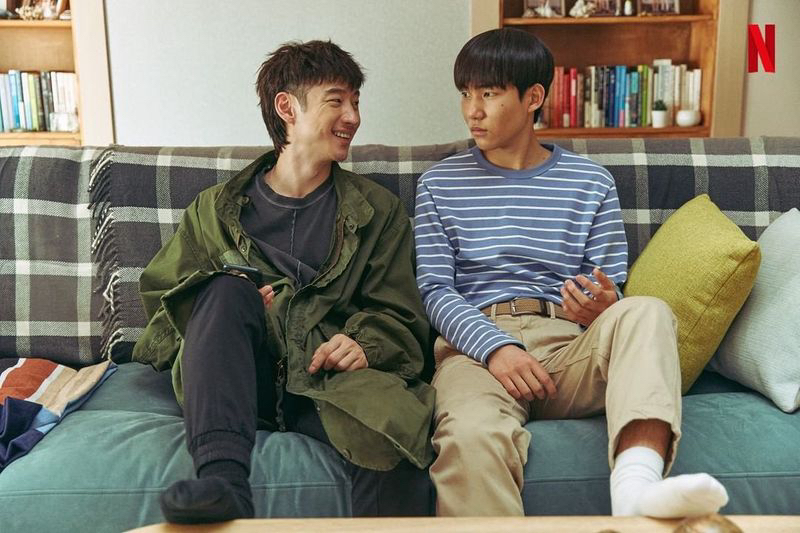
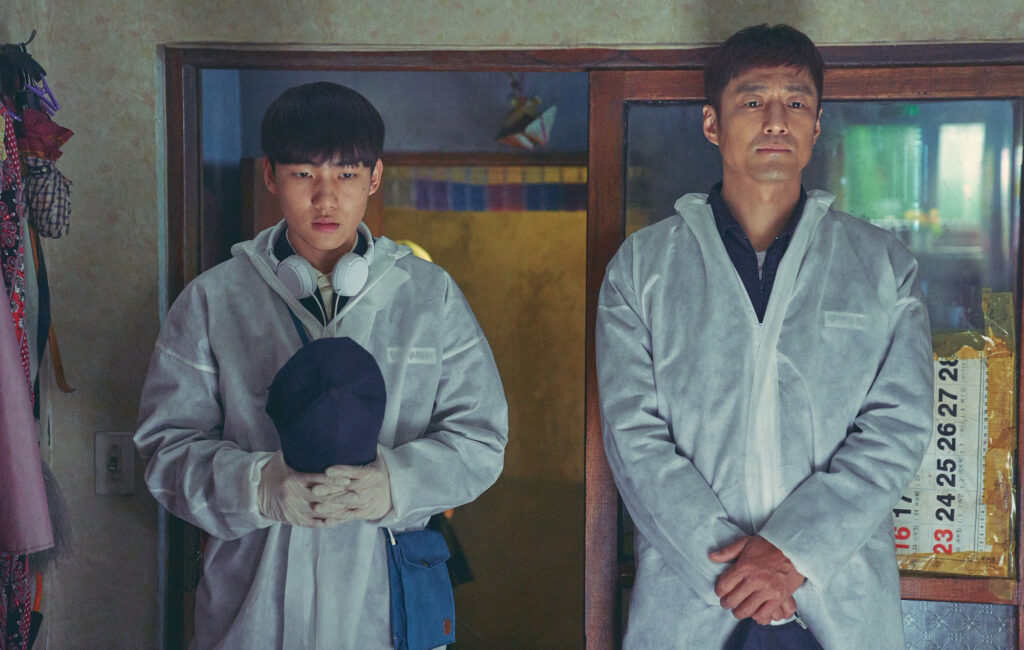
The first episode sets the tone immediately: quiet, grounded, almost documentary-like in its storytelling. The premise is simple but emotionally potent—Han Geu-ru (Tang Jun-sang), a young man with Asperger’s, works with his father at Move to Heaven, a trauma cleaning service. Their job: clean the possessions left behind by the deceased and deliver “the last story” to the family.
When his father suddenly passes, Geu-ru is left in the care of his estranged uncle, Cho Sang-gu (Lee Je-hoon), an underground fighter with a violent past and unresolved trauma of his own. It’s a pairing that seems mismatched at first glance—a quiet, routine-driven young man and a gruff, directionless adult. But this contrast is exactly what gives the show its emotional backbone.
Within minutes, you sense that Move to Heaven is not here to sensationalize death—it’s here to honor life.
The cinematography is warm, sunlit, golden. The music is soft and contemplative. The editing allows silence to sit comfortably. The result is a drama that feels handcrafted and deeply empathetic, like a handwritten letter rather than a flashy production.
The Good
1. Tang Jun-sang’s Quiet Brilliance as Geu-ru
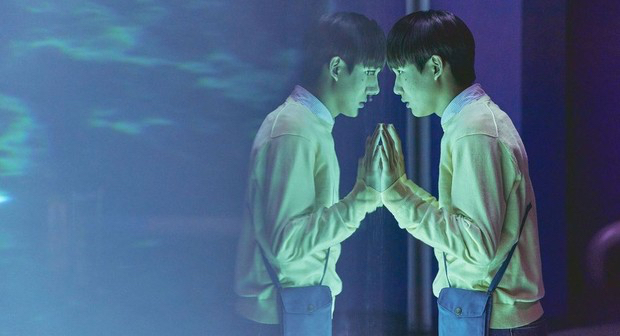
Tang Jun-sang’s performance is extraordinary. He doesn’t just act; he embodies Geu-ru’s worldview. Every gesture, every breath, every line delivery is precise yet full of emotion. He is deeply sensitive without being portrayed as fragile, strong without being hardened.
What makes his portrayal so unforgettable is the complete absence of condescension. There is no sense that the drama is “using” his neurodivergence for plot effect. Instead, the story consistently respects Geu-ru’s intelligence, capability, and dignity. He is a fully realized human being—not a caricature, not a plot device, but the moral heart of the show.
2. Lee Je-hoon’s Layered, Raw Transformation
Lee Je-hoon plays Sang-gu with a mix of bruised arrogance and suppressed grief. Initially, he is abrasive, distant, even selfish. But the show peels back his layers slowly, episode by episode.
His transformation is not dramatic—not the kind that happens in grand speeches or sudden epiphanies. It happens in micro-moments: a softened tone, a hesitant gaze, a small gesture of care he doesn’t acknowledge.
Watching him evolve from reluctant guardian to fiercely protective uncle is one of the most rewarding journeys in the series.
3. An Anthology of Stories That Honor the Dead
Each episode tells a standalone story about a different person who has passed away. A factory worker. A nurse. A diver. A student. A father. A runaway. A man who lived alone. A family torn apart. A woman who never got to say goodbye.
Every story feels like a moral lesson—but never in a preachy way. Instead, the drama simply shows you the objects left behind, the rooms people lived in, the memories tucked into drawers or folded into shirts. These quiet details speak louder than monologues ever could.
It’s deeply empathetic writing: every object becomes a clue, every item a testament to the life once lived.
4. Beautifully Thought-Out Visual Symbolism
Yellow boxes. A room full of sunlight. Shoes left at a doorway. A goldfish swimming in circles. The trunk of the family van.
Move to Heaven excels at visual storytelling. It trusts viewers to understand metaphors without over-explaining. Objects have emotional weight. Color palettes shift subtly. Frames linger long enough for emotions to settle.
The show looks simple, but every shot is deliberate.
5. A Score That Breaks Your Heart Without Asking
The soundtrack is one of the most moving in K-drama history—soft piano, gentle strings, melodies that sound like a farewell letter. It enhances the emotional impact of each episode while never overwhelming the scene.
This is music that doesn’t tell you to cry. It simply sits beside you while you do.
The Difficult — And Why It Still Works
1. The Emotional Weight Can Be Overwhelming
Every episode involves a death, and the stories—though compassionate—can become emotionally heavy. It’s not a show you binge without feeling drained.
But that heaviness is intentional. Each episode demands space to feel, reflect, and breathe.
2. Some Viewers Expected More Traditional Drama Plotting
Because the episodic structure focuses on individual stories, the main arc between Geu-ru and Sang-gu sometimes takes a backseat. Some viewers might find the pacing slow or expect more twists.
But this is not a show driven by shock value—it is driven by empathy.
3. The Romance Subplot (or Lack of One) May Disappoint Some
Na Mu (Hong Seung-hee) is an important presence in Geu-ru’s life, but the drama never indulges in romance. For some viewers, this restraint feels refreshing; for others, it feels like a missed opportunity.
But ultimately, Move to Heaven chooses emotional authenticity over typical K-drama tropes—and that choice is one of its strengths.
Favorite Moments
There are scenes in this drama that stay with you long after you’ve watched them.
The moment Geu-ru lays out a deceased person’s belongings with reverence, saying, “I will now tell your story.”
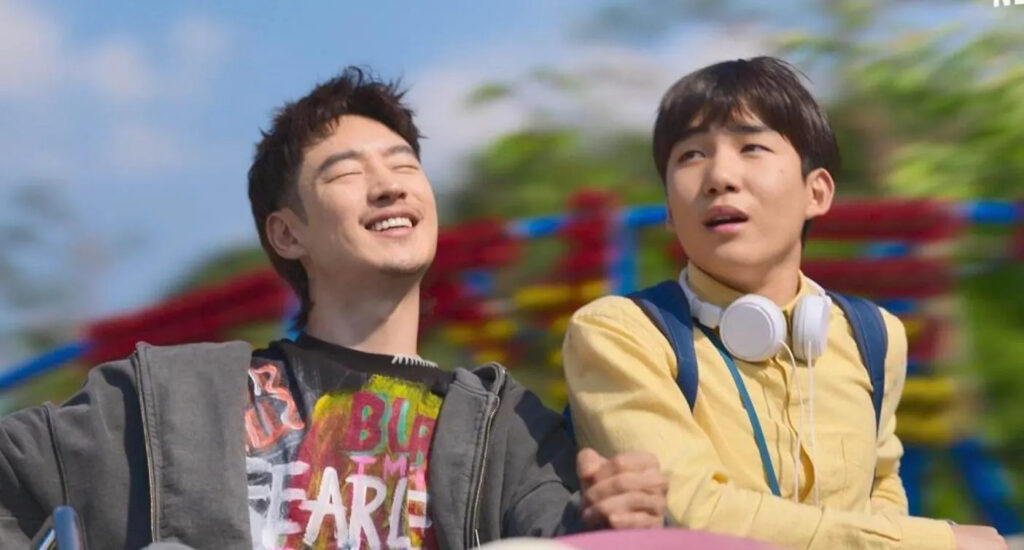
The scenes where Sang-gu secretly watches over Geu-ru, silently protecting him without taking credit.
The heartbreaking episode involving the autistic boy whose mother never understood him.
The goldfish—the symbol of Geu-ru’s need for stability and Sang-gu’s desire to protect him.
The letter from Geu-ru’s father.
The final scenes where Sang-gu’s past is revealed, piece by painful piece.
Every moment feels like a quiet punch to the heart.
Why This Drama Resonates So Deeply
It Teaches You That Every Life Matters
Even people who die alone, forgotten, unrecognized—Move to Heaven insists their stories still deserve to be told.
It Shows You Love Without Romanticizing It
Love here is about responsibility, sacrifice, healing, family—not melodrama.
It Gives Space for Neurodivergent Representation
Geu-ru is never portrayed as broken. He is capable, brilliant, and intuitive. His worldview is respected, not pitied.
It Examines Grief in All Its Forms
Not loud grief. Quiet grief. The kind you carry in your chest, in your pockets, in your memories.
It’s a Drama About Healing Without Forgetting
It does not promise that pain goes away. It simply shows that life continues—and that connection, even imperfect connection, helps us move forward.
Comparisons
If Moon Lovers was a tragic epic that destroyed your heart, Move to Heaven is a healing drama that carefully pieces it back together.
Fans of emotionally rich, slow-paced dramas like My Mister, Navillera, Tomorrow, or Hi Bye, Mama will find themselves deeply moved.
If you love character-driven stories with strong emotional resonance, this drama is a masterpiece waiting for you.
Final Verdict
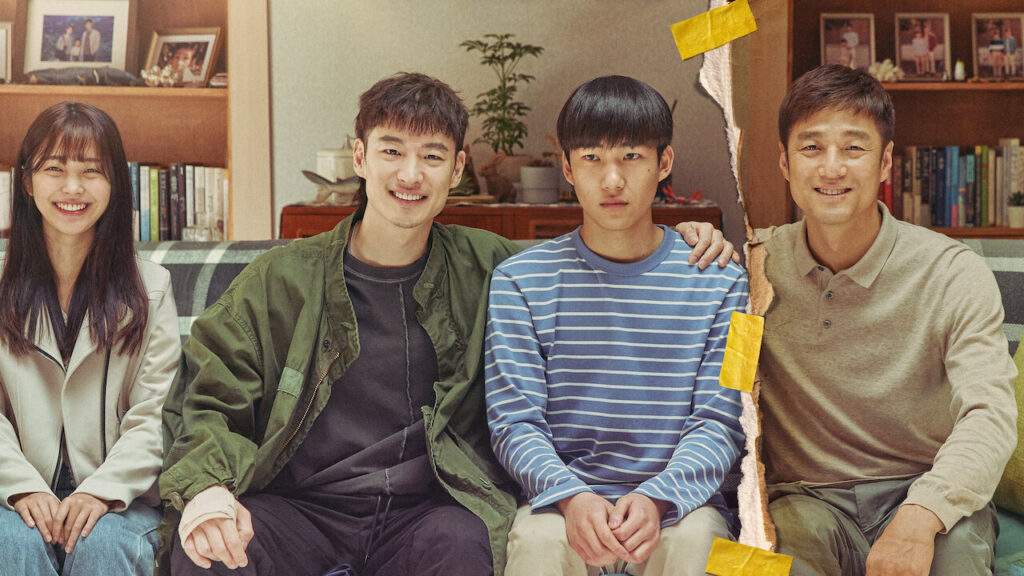
If I were to describe Move to Heaven in one sentence, it would be this: A drama about death that teaches you how to live.
It is quiet, tender, beautifully written, and profoundly humane. It will break your heart in small, careful ways—and then teach you to put it back together. It’s the kind of show you recommend not because it’s trendy, but because it feels important.
Would I watch it again? Absolutely. Not often—it’s too emotionally heavy for a casual rewatch. But every few years, when life gets loud and overwhelming, this is the kind of drama that reminds you to pause, to breathe, and to remember that the stories we leave behind matter.
So yes—Move to Heaven isn’t just worth watching. It’s worth cherishing.
Leave a Reply