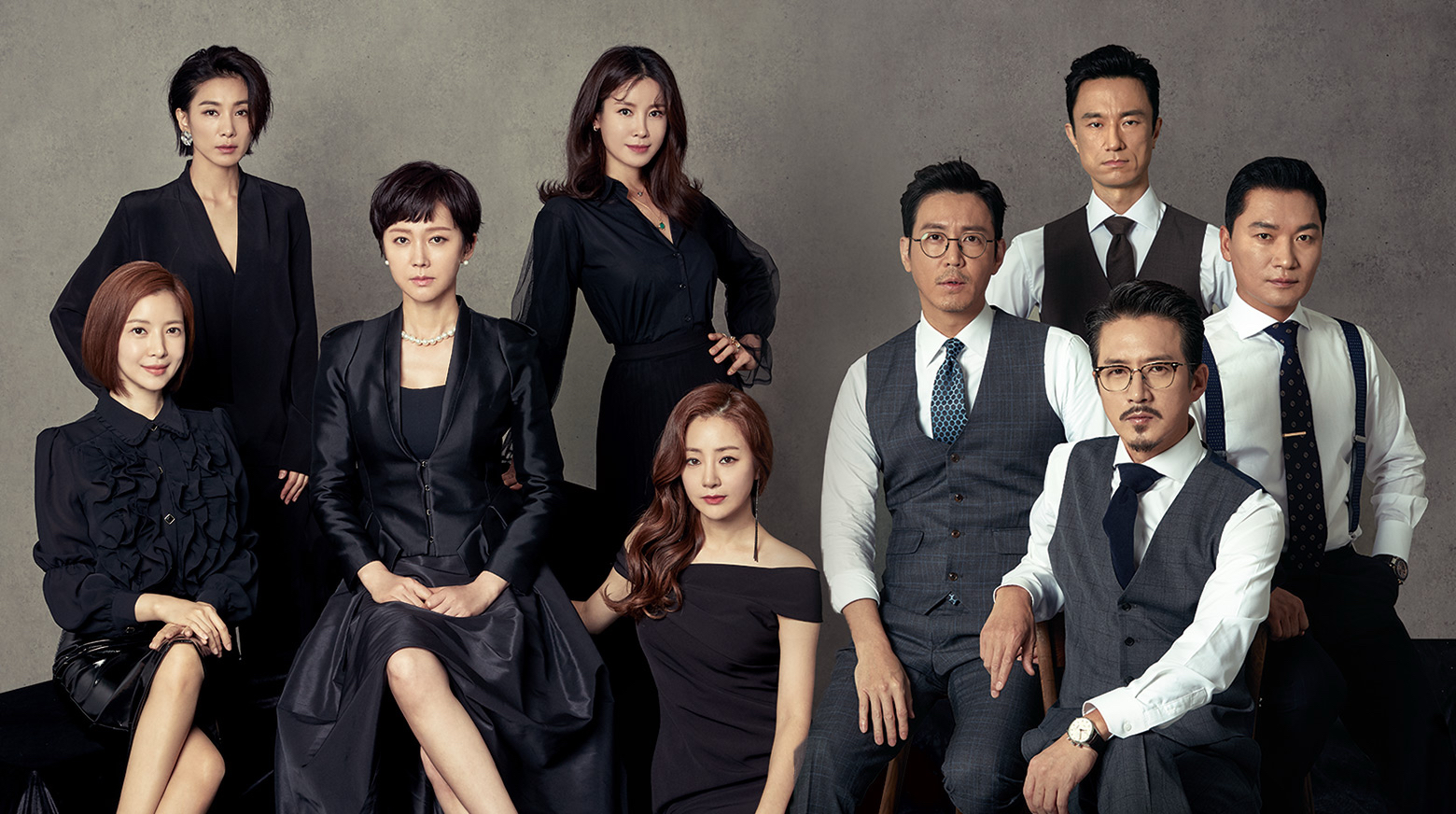
SKY Castle (2018–2019) is a Korean drama that quickly became more than just a hit—it turned into a cultural phenomenon. Set in an ultra-elite neighbourhood where the wives of influential people will stop at nothing to push their kids into prestigious universities, SKY Castle exposes the pressures, hypocrisies, and emotional cost of chasing social status through education. It’s both a scathing satire and a deeply human tale, one that’s fun, heartbreaking, and often uncomfortably accurate.
First Impressions
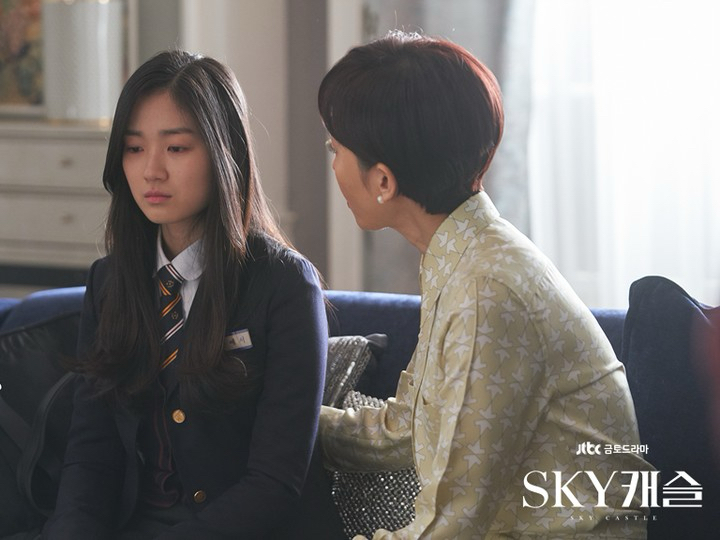
When I first started SKY Castle, I wasn’t sure what to expect. The premise sounded like familiar territory: rich families, overbearing parents, and teenage angst. But almost immediately, it became clear this wasn’t just another prestige drama. The sharp writing, the quiet moments of emotional truth, and the way it blends dark humor with high tension surprised me. The cast is packed with strong actors—I was particularly impressed by Lee Tae-ran, Yum Jung-ah, and Kim Seo-hyung—who bring nuance and vulnerability to characters that could easily have been one-dimensional.
What struck me first was the world-building. You feel wealthy, you feel trapped, you feel the suffocating expectations. The production design, the setting in those immaculate houses, even the body language in the dinner scenes—all contribute to a tone of privilege laced with dread.
The Good
1. Sharp Social Commentary
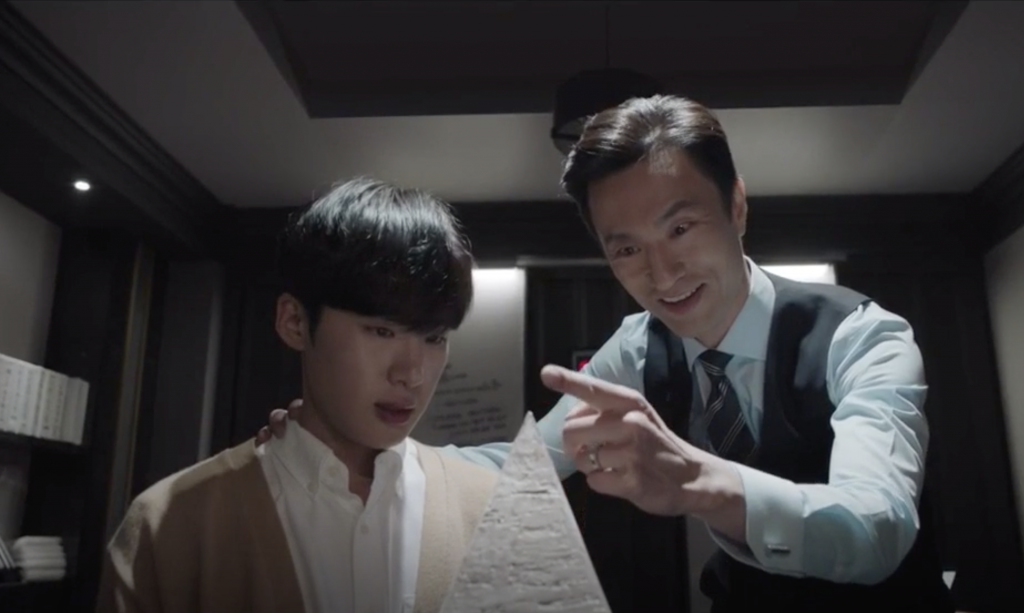
One of SKY Castle’s greatest strengths is how it holds up a mirror—not just to Korea’s obsession with academic success, but to something more universal: how parents’ dreams become chains. The ways in which pressure, fear, gossip, status, and shame combine to warp relationships are powerful. There’s a sense that every character is both a victim and a perpetrator in this system. For example, the night study sessions; the plastic surgeons’ bills; the desperation when children don’t conform. It’s a drama that gets under your skin.
2. Complex Characters
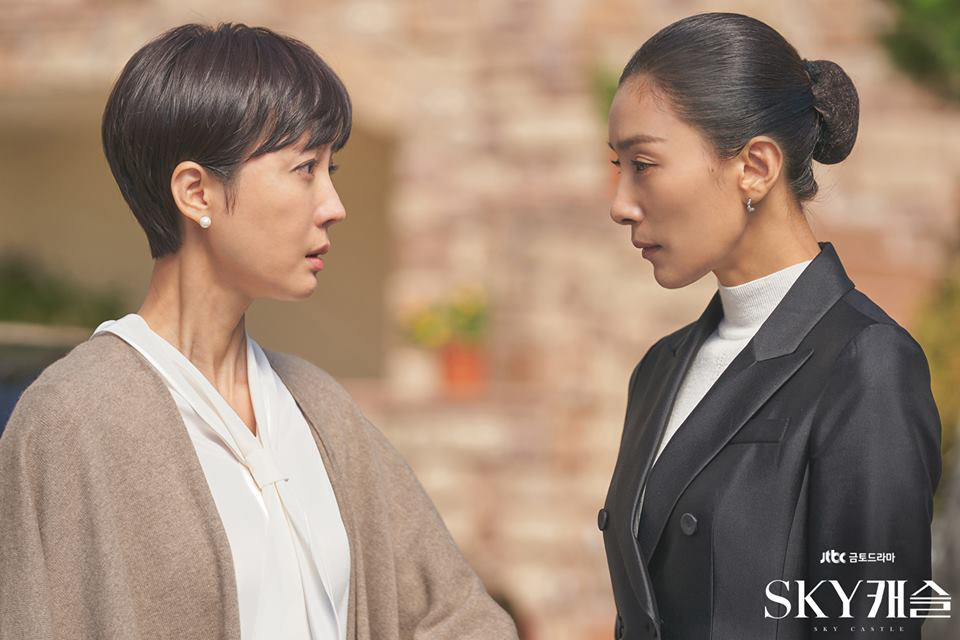
You don’t simply have “good people” and “bad people” here. Yum Jung-ah’s character (Noom) oscillates between ambition and regret. Lee Tae-ran (Han Seo-jin) is rigid, harsh, sometimes cruel—but also deeply afraid, isolated, longing for something more than perfection. The teenagers aren’t just whiny or irritating: many scenes convincingly show how they’re pushed beyond what’s fair. Even the antagonists are sympathetic in their own way, and the show doesn’t shy away from exploring their guilt and vulnerabilities.
3. Unpredictable Pacing & Plot Twists
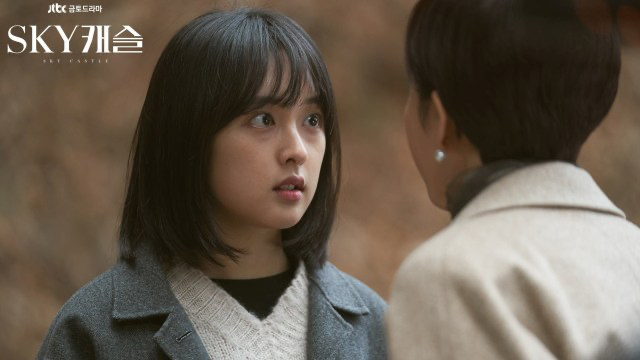
The drama builds slowly, allowing tension to simmer. But when things explode—whether through a betrayal, or when a long-suppressed emotion surfaces—it hits hard. There are moments where you think you know where it’s going, only to be double-crossed, surprised, or forced to re-evaluate your assumptions about who deserves empathy. That makes it compelling and addictive.
The Bad / The Challenging
1. Intensity That Can Weigh You Down
Because the expectations and stakes in SKY Castle are so high, watching it can feel emotionally draining. Some scenes—especially those involving parents pushing children so far—are uncomfortable to watch, almost painful. If you prefer light drama or escape, this might be too heavy. The show doesn’t give many breathers.
2. Certain Character Arcs That Feel Uneven
While many characters are well-developed, a few side characters get less attention or appear more as plot devices than fully fleshed people. Some subplots end abruptly, or motivations feel thin. At times I found myself wishing the show had given more screen time to the children’s perspective—how they internalize these pressures beyond what their parents impose.
3. Moral Ambiguity That Sometimes Frustrates
The ambiguity is part of the point—but it can be frustrating. The show often resists giving satisfying closure. Some characters you love in early episodes commit shocking acts later without clear redemption. Some others might get off too easily. For viewers who like clean moral arcs or happier endings, SKY Castle tests those limits. But part of its power comes from refusing to simplify.
Favourite Moments
The scene where a private tutor gently corrects a child’s mistake, then watches the parent correct it even more harshly. It speaks volumes. Han Seo-jin’s breakdown, when she realizes her own complicity in the system she outwardly scorns. It humanizes her in an unforgettable way. Those dinner-table conversations—full of forced politeness, microaggressions, and status anxiety—are tense in a way that doesn’t feel overdone.
Why It Resonates
What makes SKY Castle more than just a drama about rich people being cruel is its psychological truth. Its portrayal of fear—the fear of failure, the fear of social shame, the fear of disappointing expectations—is universal. Even if you don’t live in Korea, or come from a high-status background, its themes land:
The way parents project dreams onto children. The crushing anxiety over “falling behind.” The dissonance between wearing a beautiful house like armor and feeling emotionally hollow inside.
It also forces us to ask: What is success, really? And at what cost does one pay for it?
How It Compares
Compared to more melodramatic prestige dramas, SKY Castle is less about romantic love and more about familial love, ambition, and competition. It shares space with shows like Reply (for its social milieu), My Mister (for emotional weight), and Misaeng (for the pressure of societal expectations). But SKY Castle stands apart in its relentless focus on education as the ultimate proving ground.
Final Verdict
If I had to sum up SKY Castle in a phrase, it would be: beautifully brutal. It’s a drama that demands emotional stamina, but rewards you with depth, reflection, and some of the best performances in recent years.
Is it perfect? No. Some arcs lag, some moral lines blur uncomfortably, and the intensity isn’t always easy to swallow. But it’s one of the rare K-dramas that makes you examine the world around you—and yourself—while delivering compelling storytelling and emotional truths.
So, is it worth your time? Absolutely—especially if you gravitate toward dramas with bite, characters who hurt and try to heal, and stories that don’t settle for easy answers.
Leave a Reply