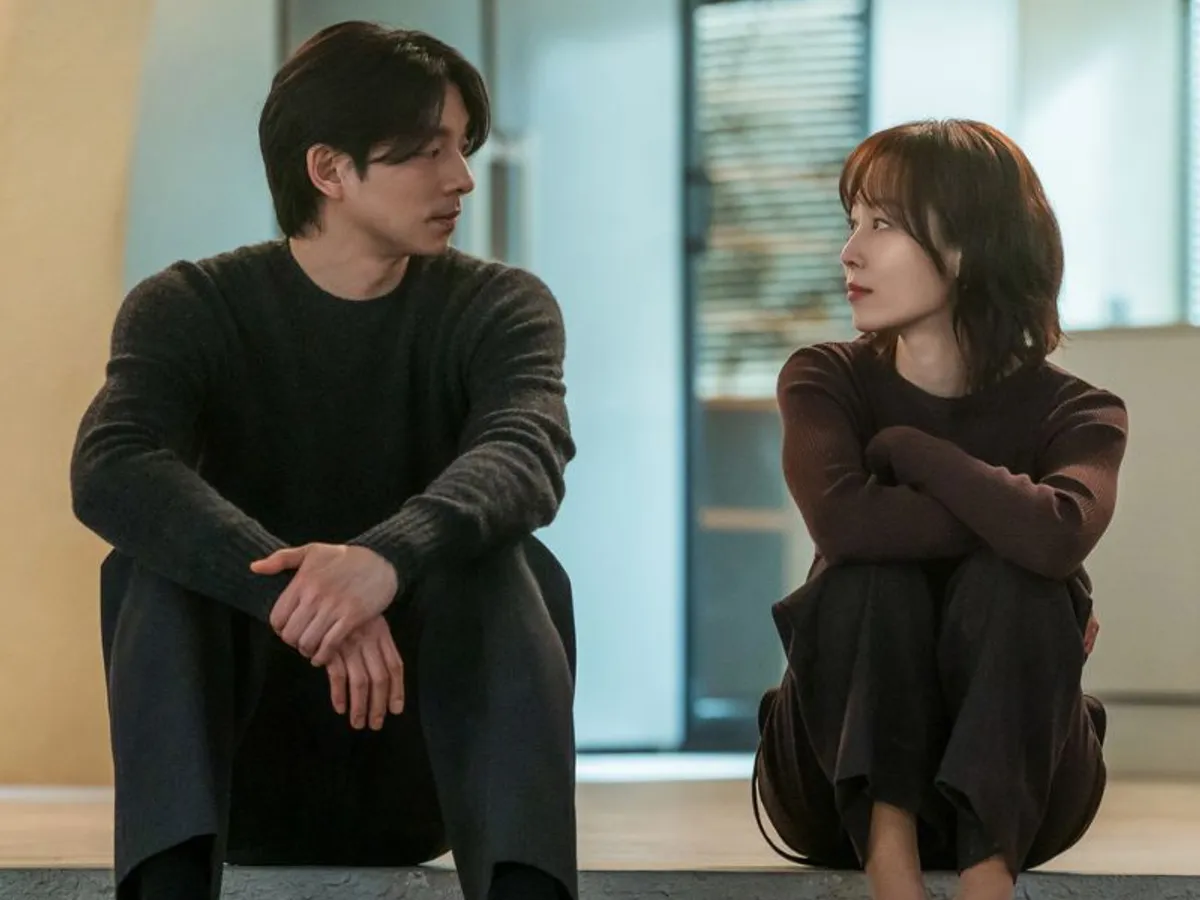
From the moment The Trunk begins, you sense that this will not be your standard K-drama. The opening scene features a designer trunk washing ashore and a gunshot in the dark, immediately setting a mood of mystery, unease, and hidden histories.

We’re introduced to Seo Hyun‑jin as Noh In-ji, a woman working for a high-end matchmaking agency arranging “contract marriages” of one-year terms. Across from her is Gong Yoo playing Han Jeong-won, a wealthy but emotionally scarred music producer engaged in one such contract by his ex-wife. The world they inhabit feels cold, sleek, and morally uncertain—and the show invites you to enter it on its own terms.
What struck me most was how the show combined genres: part psychological thriller, part melodrama, part noir romance. The tone is atmospheric and restrained, but there’s also an undercurrent of chaos waiting to erupt. The production design, the cinematography, and the musical score all work together to create a world that feels emotionally dense, even in its stillness.
The Good
1. Outstanding Performances
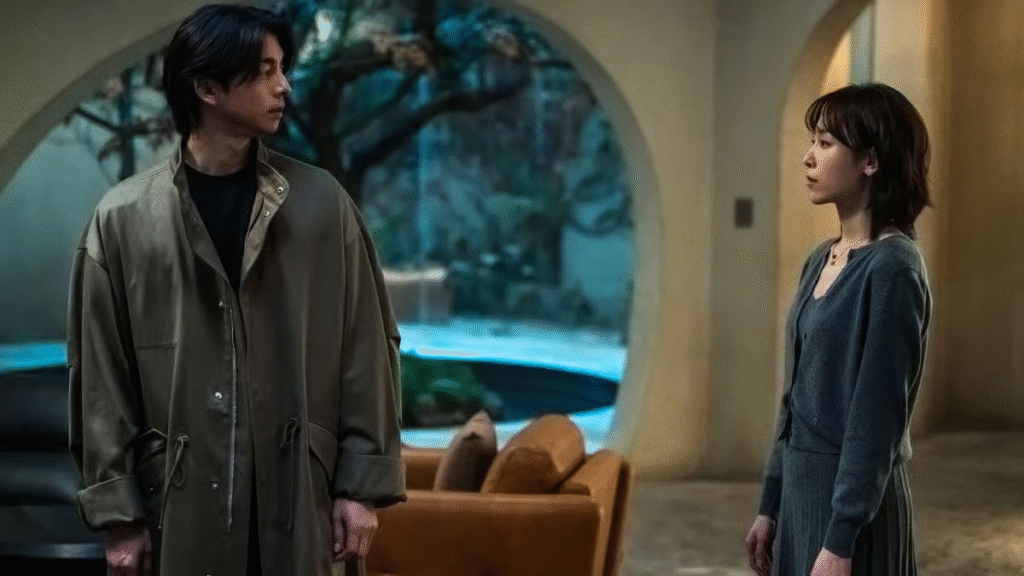
One of the biggest strengths of The Trunk lies in its leads. Seo Hyun-jin delivers a layered performance as In-ji—a woman who has survived loneliness, multiple contract marriages, and emotional detachment, yet finds herself gradually opening up. Her quiet intensity is compelling.
Gong Yoo is equally excellent. Jeong-won is wealthy, detached, and weighed down by his past, and Gong manages to convey that emotional burden without melodrama. There are moments of vulnerability, of quiet desperation, and they land because his performance is grounded.
Supporting actors also shine. The ex-wife Seo Yeon (played by Jung Yun‑ha) brings sharpness and menace, while secondary characters add texture to the world of the matchmaking agency. The ensemble supports the central story without overshadowing it.
2. A Unique Premise & World-Building
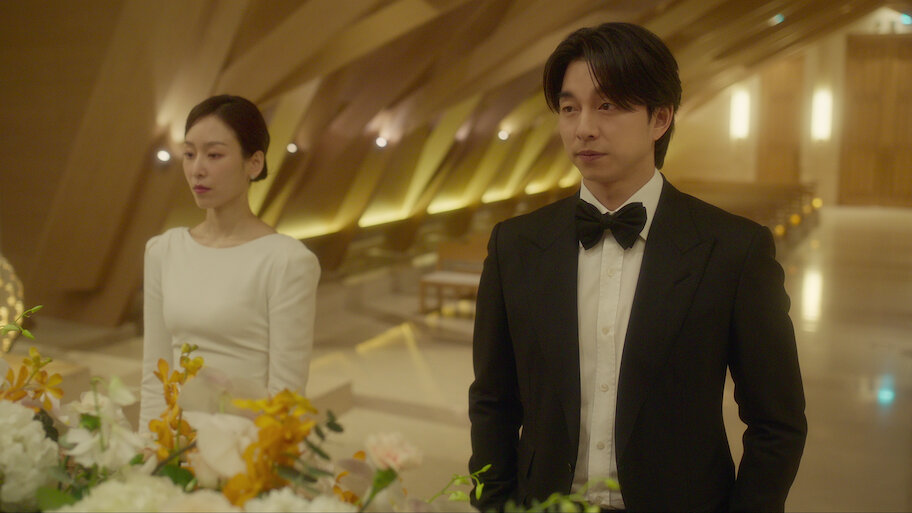
Contract marriages are not a new trope in K-dramas, but The Trunk uses the idea in a way that feels fresh. The agency NM, the year‐long contracts, the moral ambiguity of it all—these details build an eerie, high-stakes world.
The titular trunk serves as a powerful metaphor, too—hidden secrets, untold stories, what’s carried and what’s buried. It’s seldom shown but always present in feel. Reviewers describe it as an allegory rather than a literal plot device.
With only eight episodes, the pacing allows for slower build-up and psychological detail, which gives the show space to breathe. The tension doesn’t always come from loud plot leaps, but from the intangible: the unspoken, the past catching up, the contract’s time ticking down.
3. Visual & Tonal Cohesion

There’s a beautifully consistent visual style—muted colors, heavy shadows, glass and water motifs, reflections and trunks and lakes. These elements reinforce the theme of what’s hidden beneath surfaces. The mood is somber, yet strangely elegant. Cinematography and production design elevate what could have been just another romance‐mystery. It feels cinematic.
The Challenging
1. Pacing That Demands Patience
One of the most common critiques of The Trunk is its slow start. In its first few episodes, the narrative moves deliberately, focusing on character beats and mood rather than rapid plot turns. Reviewers noted that if you’re expecting frequent twists, the pacing might feel sluggish.
If you’re someone who prefers fast-moving storytelling, this will test your patience. It’s more an atmosphere-driven story than a run-and-gun thriller.
2. Ambiguities and Unresolved Threads
The show leans into ambiguity—about characters’ motivations, about past events, about what the trunk really signifies. For some viewers, that’s a strength; for others, it’s frustrating. One Reddit post called the timeline confusing and felt the ending left too many questions.
While I appreciate stories that leave space for interpretation, The Trunk sometimes gives too little. Some subplots feel under-explored, and when the story path is less defined, the emotional payoff can feel muted.
3. Emotional Connection That’s Earned—Not Given
Because the show starts emotionally cool and its characters are emotionally guarded, it takes time for the audience to invest. Some may find the leads distant or thematically heavy. For viewers wanting an easy emotional hook or a traditional romance arc, this won’t feel like the typical K-drama. The transformation comes slowly.
Favourite Moments
The flashback scene of In-ji’s missing fiancé—small, quiet, heartbreaking—sets the tone for her emotional world. The dinner scene where Jeong-won confronts his ex-wife and we see his internal collapse behind the mask of control. The lake trunk reveal: simple yet chilling—its imagery lingers. The late-episode scene where In-ji chooses agency over contract, and the music swells in a way that felt earned rather than manipulated.
Why It Resonates
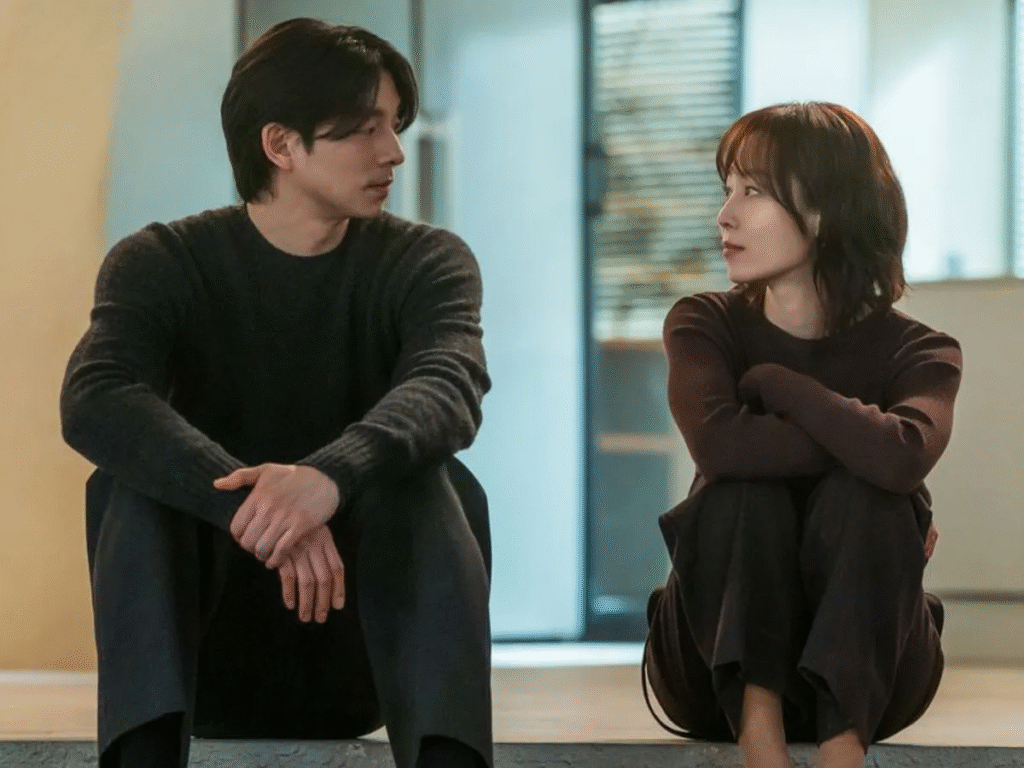
The Trunk works because it taps into modern anxieties around identity, commitment, authenticity, and what we carry (emotionally) in our lives. Its core: a contract marriage that begins as business, becomes entangled with trauma, and asks whether genuine connection can exist in an artificially constructed relationship.
The themes are universal: loneliness, the fear of being just another assignment, the desire to matter. Set in a world of wealth and cold elegance, the emotional stakes feel magnified—but relatable.
Unlike more straightforward romance dramas, this one is quietly contemplative, suggesting rather than declaring. That subtlety is part of its appeal. It invites reflection.
How It Compares
Against more mainstream K-dramaland fare, The Trunk feels darker, slower, and more introspective. If you liked That Winter, The Wind Blows or Voice, you might appreciate this tone. For fans of director Kim Kyu‑tae (who also helmed Moon Lovers: Scarlet Heart Ryeo), the visual quality and emotional restraint will be familiar.
It’s less about sweeping romance and more about two wounded characters navigating a strange arrangement. The plot may echo contract marriage tropes, but the execution grounds it in psychological terrain rather than romance fantasy.
Final Verdict
If I had to sum up The Trunk in a phrase: beautifully uneasy. It’s a drama that demands thought, patience, and emotional presence. It may not give you easy answers, but it offers something richer: a story of characters carrying unseen burdens, and the fragile possibility of healing.
Is it perfect? No. Its slow pace, ambiguous arcs, and sometimes under-used subplots may frustrate some. But if you’re willing to lean into discomfort, to watch indirection and longing, you’ll find something quietly powerful.
Would I recommend it? Yes—especially if you’re craving K-drama that strays from comfort and indulges in emotional complexity. You’ll be rewarded with strong performances, a unique world, and a story that stays with you.
So yes, it’s worth your time. Prepare for eight episodes of stillness, strangeness, and emotional weight—and when the trunk finally opens, you’ll feel the echo of what’s been hidden all along.
Leave a Reply