
When it comes to interior design trends, minimalism has long been associated with Scandinavian aesthetics — clean lines, functional spaces, and muted tones. But in recent years, another approach has begun to capture global attention: Korean minimalism. Rooted in traditional Korean values yet adapted for modern living, this design style blends simplicity, warmth, and cultural symbolism in a way that feels both timeless and fresh.
From Pinterest boards to high-end interior magazines, Korean-inspired spaces are now shaping how people across the world design their homes. But what exactly makes Korean minimalism so appealing, and why is it resonating with global audiences today? Let’s explore.
A Philosophy of Balance and Calm
At the heart of Korean minimalism is the philosophy of less is more, but it’s not about emptying a room for the sake of austerity. Instead, it’s about creating balance, flow, and harmony. The concept draws from Korea’s Confucian traditions and the idea of jeong — deep emotional connection to spaces and objects.
Rather than simply reducing clutter, Korean interiors emphasize choosing items with intention and meaning. Every piece of furniture, every decorative object, and every empty space has a purpose. This results in homes that feel peaceful and uncluttered without feeling sterile.
Neutral Palettes with Warmth

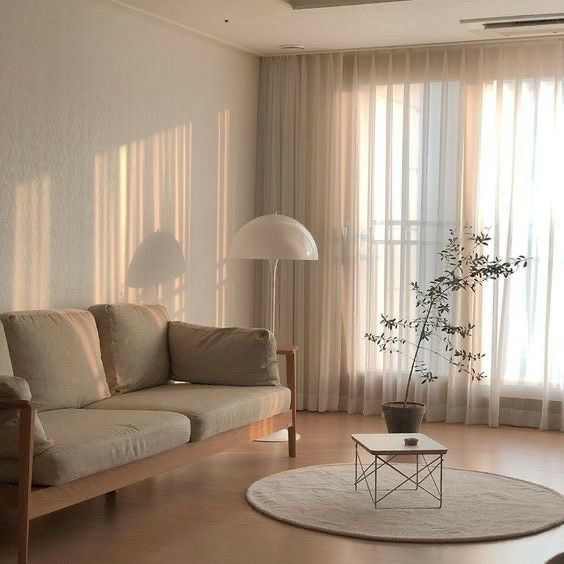
One of the defining features of Korean minimalism is its color palette. Soft whites, beiges, light woods, and muted grays dominate, creating a serene environment. However, unlike stark minimalism, Korean interiors often add subtle warmth through natural textures, soft fabrics, and warm-toned lighting.
Think of a low wooden table paired with neutral floor cushions, sunlight streaming in through sheer curtains, and a ceramic vase holding a single branch. The simplicity highlights beauty in everyday objects while still making the space feel inviting and lived-in.
Furniture That’s Low and Grounded

Traditional Korean homes (hanok) were designed with floor-based living in mind, and this has influenced modern interiors as well. Many Korean minimalist spaces use low furniture — such as floor beds, short coffee tables, or low sofas — that encourage closeness to the ground and a sense of calm.
This design choice also contributes to the feeling of openness, as lower furniture creates the illusion of taller ceilings and more space. It’s a subtle nod to Korean heritage that still fits seamlessly into modern apartments and houses worldwide.
The Rise of the One-Person Household

South Korea has one of the highest rates of single-person households in the world, and this demographic shift has shaped the design style that’s now going global. Compact, efficient, and minimalist spaces became a necessity in cities like Seoul, where apartments are small but functional.
The focus on multi-purpose furniture, smart storage, and uncluttered layouts is something many city dwellers across the globe can relate to. As urban living becomes denser worldwide, Korean minimalism offers a practical yet stylish solution.
Connection to Nature
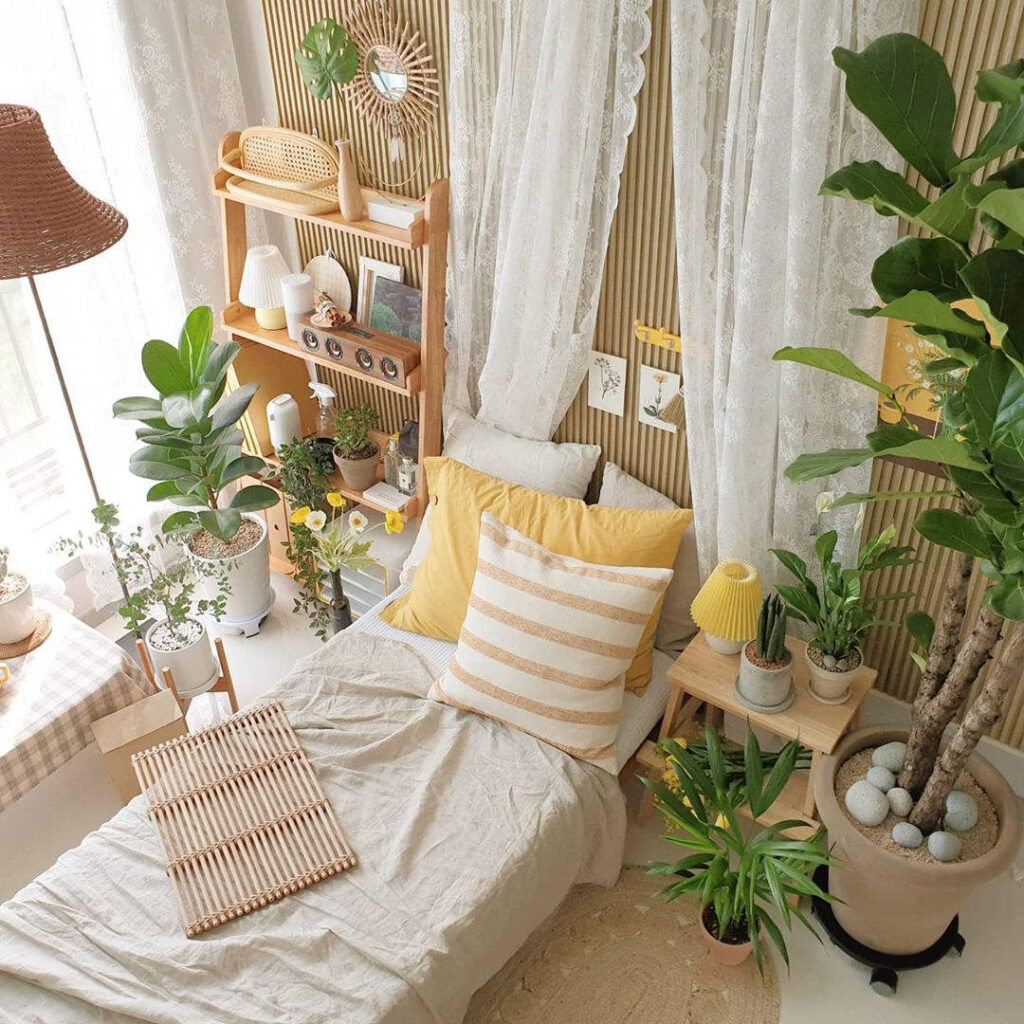
Another key element of Korean minimalism is its integration of nature indoors. This could be as simple as placing a leafy plant in a bright corner, incorporating light wood finishes, or designing windows to maximize sunlight.
This philosophy comes from the traditional concept of pungsu-jiri (similar to feng shui), which values harmony between human life and the natural world. By bringing nature into interiors, Korean minimalism creates a soothing, grounding effect that appeals to today’s wellness-focused lifestyles.
Global Appeal Through K-Culture
It’s impossible to talk about Korean design trends without acknowledging the influence of Hallyu, or the Korean Wave. K-dramas, K-pop, and Korean films often showcase stylish interiors that spark inspiration among global viewers.
Think of the cozy, neutral-toned apartments featured in Crash Landing on You or My Liberation Notes. These dramas not only highlight emotional storytelling but also serve as aspirational design catalogs for international fans. Social media platforms like TikTok and Instagram further accelerate the trend, with influencers recreating Korean-inspired rooms around the world.
Minimalism with a Human Touch
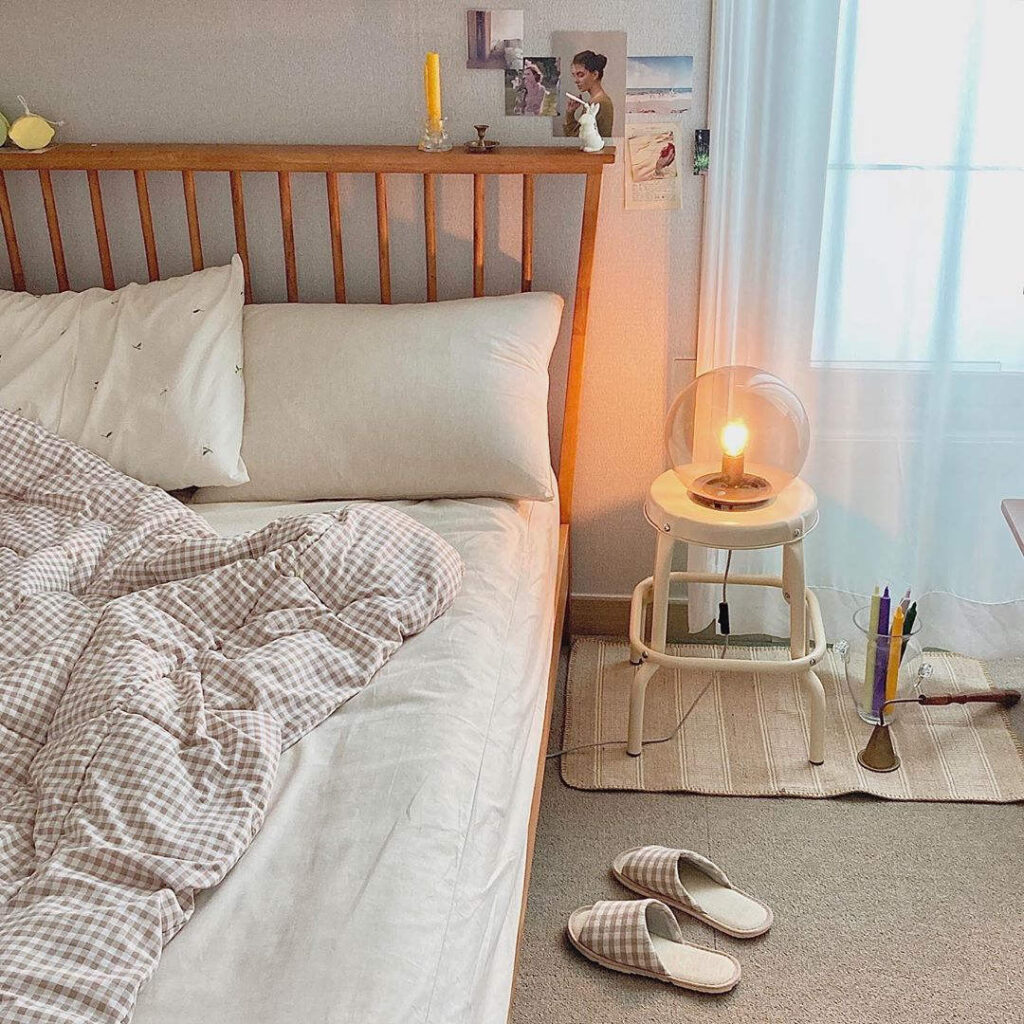
Unlike more rigid forms of minimalism, Korean interiors are minimalist but not cold. There’s always a touch of softness — whether it’s a stack of books, a woven rug, or a carefully chosen ceramic cup. It’s about removing excess while keeping what feels emotionally grounding.
This makes the design style especially appealing to those who want the clarity of minimalism without losing the comfort of a cozy home. It’s functional minimalism infused with heart.
Why the World is Embracing Korean Minimalism
The global appeal of Korean minimalism can be summed up in three words: calm, culture, and connection.
In an age of overstimulation, the calm of uncluttered, intentional spaces provides mental relief. The cultural authenticity rooted in Korean tradition makes it stand out from Western minimalist movements. And the connection to nature, heritage, and emotional well-being resonates universally.
Whether you’re living in a spacious suburban home or a compact city studio, the principles of Korean minimalism can be adapted to create a more mindful living space.
How to Bring Korean Minimalism Into Your Home
If you’re inspired by this trend, start small:
- Opt for low wooden furniture that feels grounded and natural.
- Stick to neutral color palettes, layering in warmth with soft lighting and textured fabrics.
- Choose decor with meaning rather than filling space with unnecessary objects.
- Add a touch of nature — a plant, a stone vase, or even an open window that lets in fresh air.
It’s less about following strict design rules and more about embracing a way of living that prioritizes balance, intentionality, and comfort.
Final Thoughts
Korean minimalism is more than a design trend — it’s a reflection of how culture, tradition, and modern living intersect. Its focus on harmony, emotional connection, and subtle beauty has struck a chord with global audiences seeking more than just aesthetic appeal.
As the world continues to fall in love with K-culture, don’t be surprised if Korean minimalism becomes the next dominant force in interiors — one neutral-toned, low-lying, beautifully balanced room at a time.
Leave a Reply