
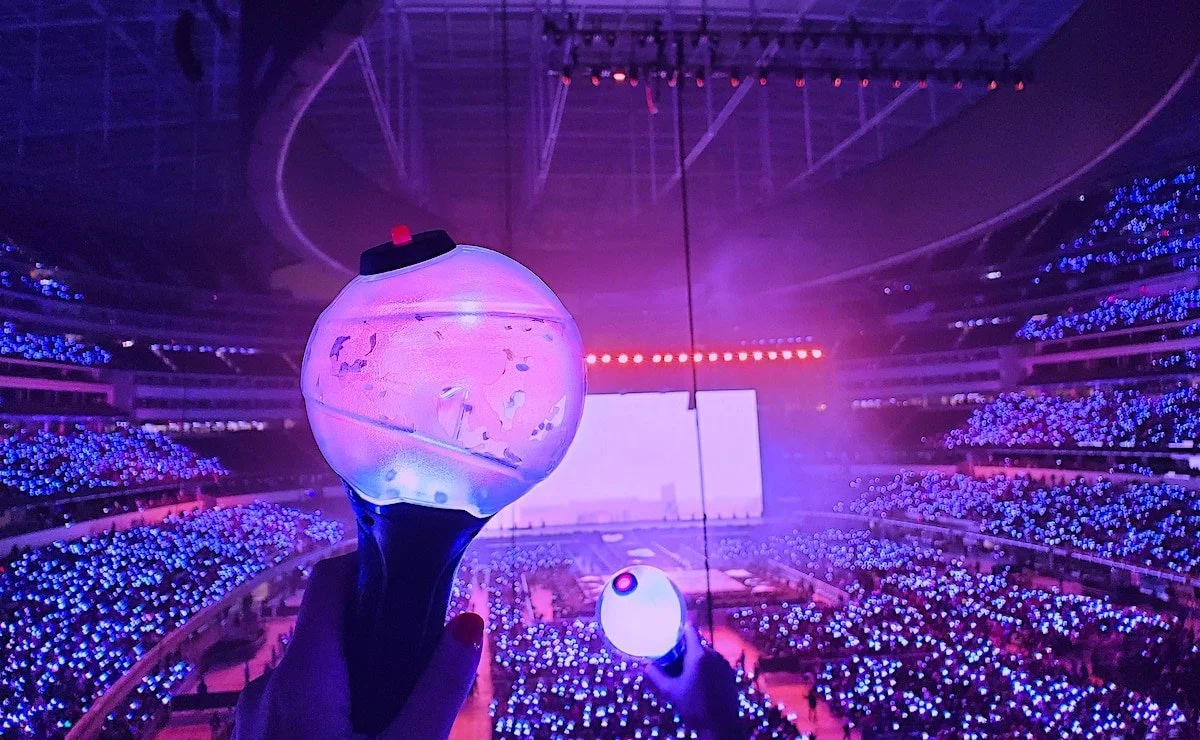
The Business of Lightsticks: A Colorful History
If you’ve ever been to a K-pop concert — or even just watched one online — you know that the experience wouldn’t be complete without one iconic accessory: the lightstick. These glowing wands, unique to each fandom, have evolved from simple concert tools into cultural symbols and multi-million-dollar merchandise empires. Fans call them their “weapon,” their “badge of honor,” and even their way of being seen by their idols in a sea of thousands.
But how did lightsticks come to be, and why are they such a crucial part of the K-pop industry today? Let’s dive into the colorful history and booming business behind these glowing beacons of fandom pride.
The Origins of K-Pop Lightsticks
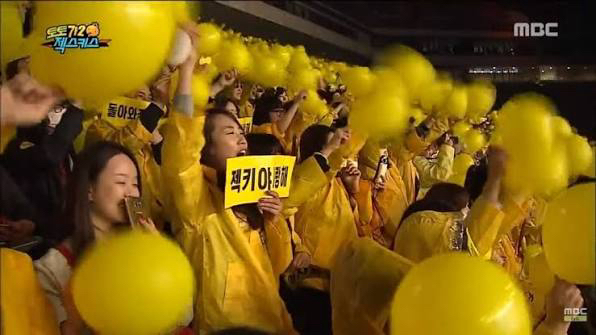
Before the high-tech, Bluetooth-connected designs we see today, K-pop fans waved whatever they could to show support. In the late 1990s and early 2000s, fandoms often brought balloons, glow sticks, or colored signs to represent their groups. H.O.T. fans carried white balloons, while g.o.d. fans were known for their sky-blue balloons. These early fan symbols were simple but effective in creating unity and visibility.
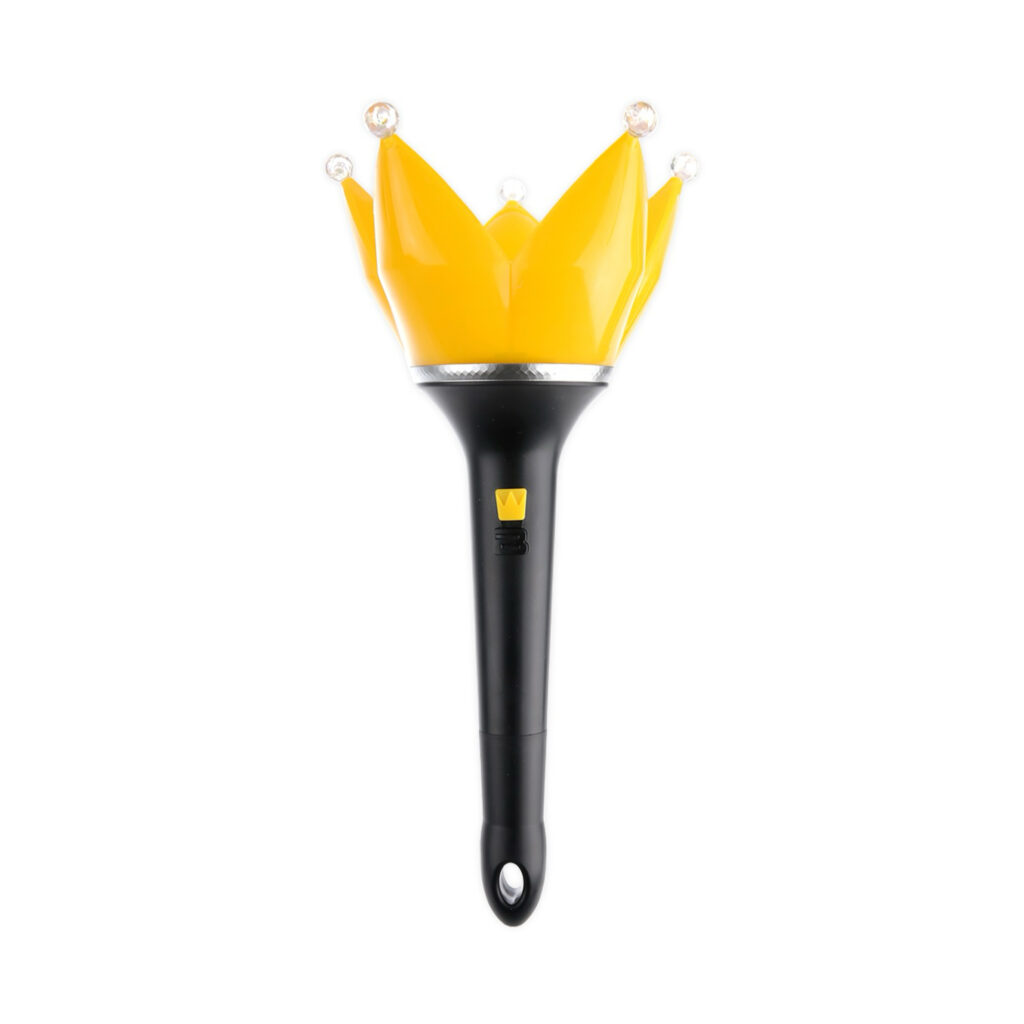
It wasn’t until BIGBANG introduced the first official lightstick in 2006 — the iconic yellow crown-shaped Bang Bong — that the industry began to recognize the potential of customised fan light devices. Suddenly, a light wasn’t just about being seen; it was about branding, identity, and community.
The Rise of Fandom Identity
Once BIGBANG set the standard, other agencies quickly followed. SM Entertainment launched official lightsticks for fandoms like TVXQ and Super Junior, while JYP and HYBE later developed their own unique designs. Each lightstick is distinct, with a shape, symbol, and color scheme that reflects the group’s concept and personality.
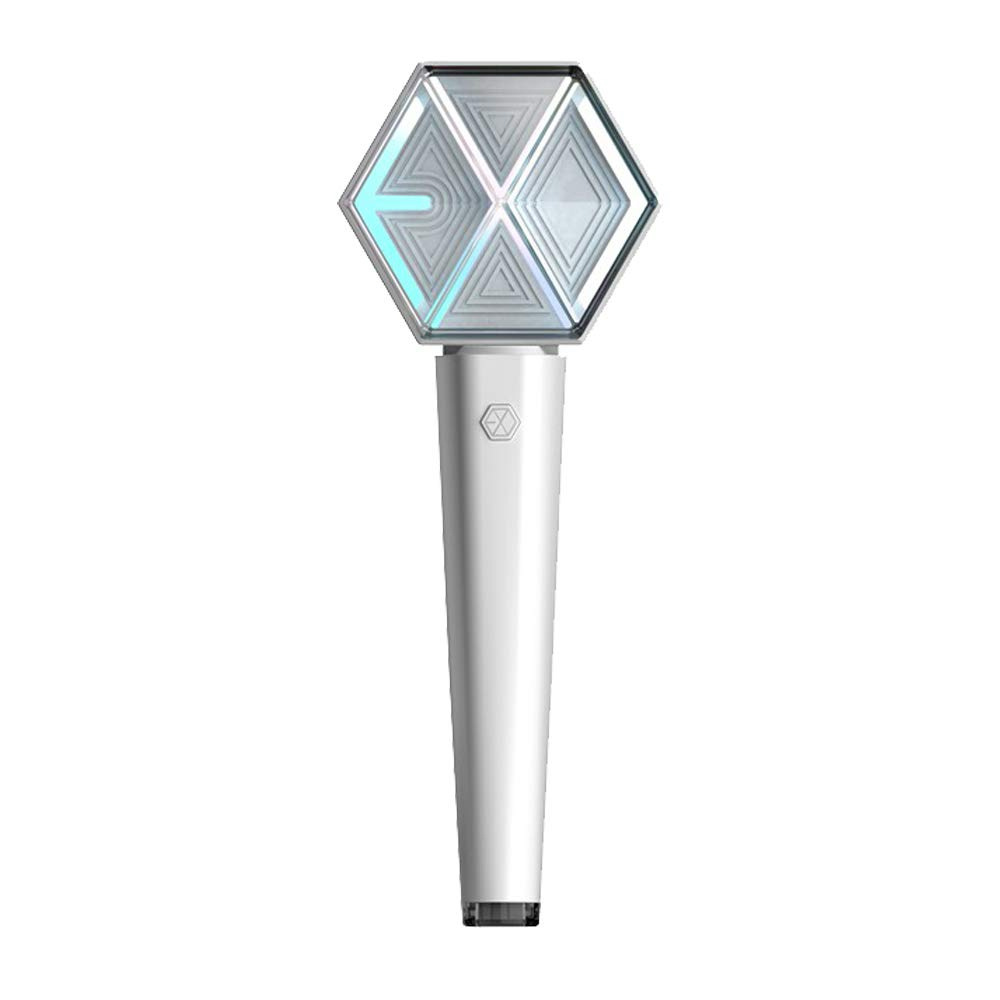
EXO’s lightstick resembles a hexagon emblazoned with the group’s logo.
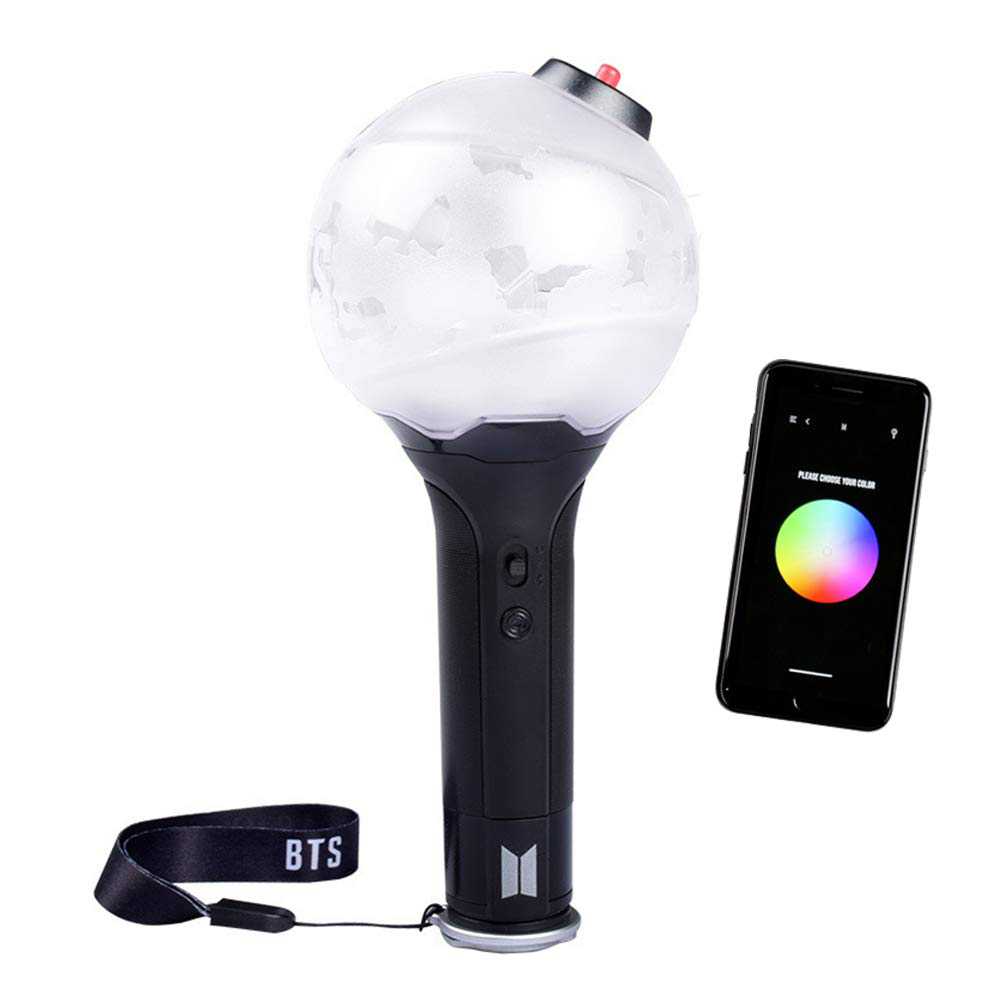
BTS’s Army Bomb is one of the most recognizable, often upgraded into multiple “versions” with added features.

BLACKPINK’s hammer-shaped Bbyongbong is both playful and fierce, perfectly reflecting the group’s dual image.
These aren’t just concert items — they are portable fandom flags. Owning and waving your group’s official lightstick is like wearing a jersey at a sports game: it signifies loyalty and belonging.
The Business Behind the Glow
Lightsticks are not only emotional symbols; they are also serious business. Entertainment agencies quickly realized the massive revenue potential. A single official lightstick can retail anywhere between $30 and $70, depending on features. Fans often purchase multiple versions — older editions for nostalgia, newer ones for updated technology, or even limited-edition releases tied to tours.
But the business doesn’t stop at the stick itself. There are:
- Accessories: Cases, covers, charms, and straps allow fans to customize and protect their lightsticks.
- Batteries & Chargers: Some lightsticks now use rechargeable batteries or require frequent replacements, creating ongoing sales.
- Bluetooth Connectivity: Many newer models sync to an arena’s central control system, lighting up in unison for massive coordinated light shows.
This added tech not only enhances the concert experience but also drives fans to buy the official product rather than cheaper imitations. The result? Lightsticks contribute millions of dollars annually to K-pop agencies’ merchandise profits.
Innovation Over the Years
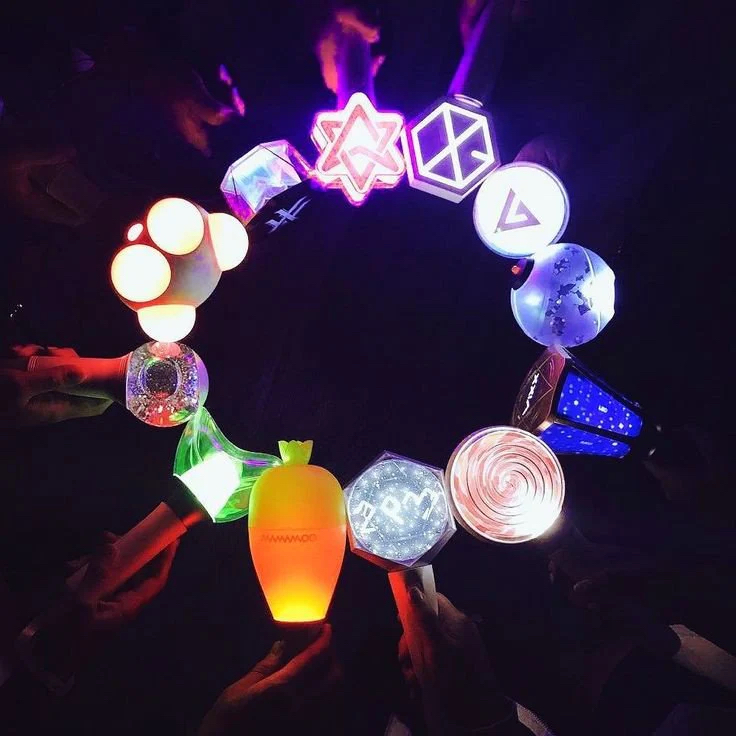
Lightsticks have transformed dramatically since the early days of simple glowing plastic. Today’s designs include:
- Bluetooth Synchronization: BTS’s Army Bomb and SEVENTEEN’s Carat Bong connect to apps or venues, letting staff control colors and patterns during concerts.
- App Integration: Many lightsticks pair with mobile apps that verify authenticity, update firmware, or let fans customize colors.
- Limited Editions: Groups release special versions for tours, anniversaries, or collaborations, fueling demand among collectors.
- Fan Involvement: Some agencies even involve fans in the design process, asking for input on colors or shapes that represent the fandom’s spirit.
The technology has turned concerts into immersive spectacles, with stadiums glowing in perfectly choreographed light oceans that fans and idols share together.
The Cultural Impactful of Lightsticks
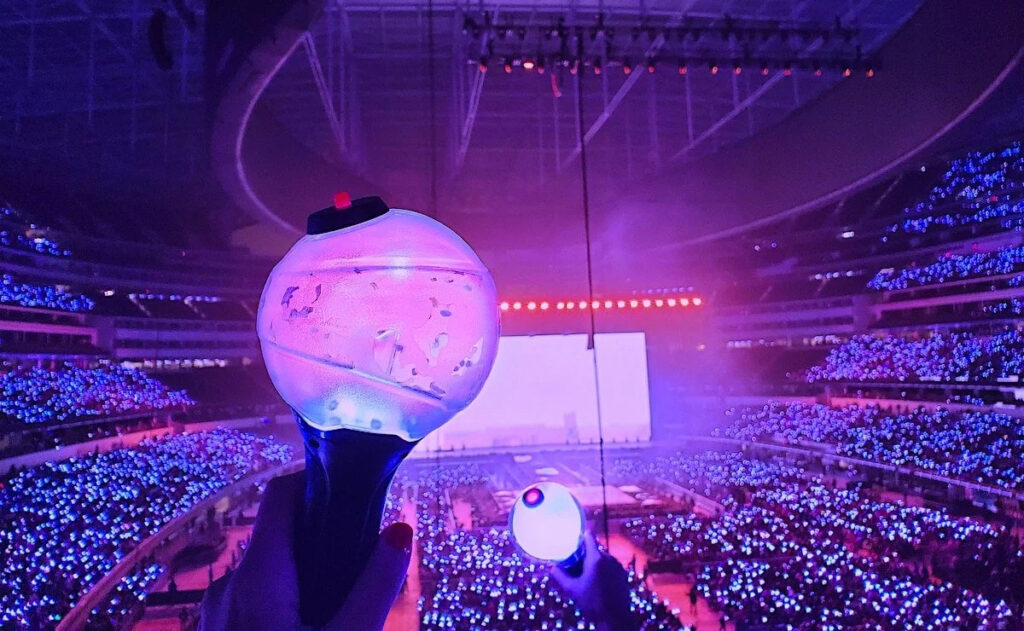
Beyond business, lightsticks carry deep cultural meaning. For many fans, they’re more than merchandise — they’re a symbol of connection. Holding up your lightstick in a dark concert hall is a way of telling your idol, “I’m here, I support you.”
They also embody the spirit of fandom solidarity. Whether you’re in Seoul, Los Angeles, or Manila, the glow of a fandom’s lightstick immediately identifies you as part of the same global community. This universality is one reason K-pop fandom culture is so powerful — the lightstick bridges physical and cultural divides.
Lightsticks have also seeped into popular culture beyond concerts. They appear in music videos, variety shows, fan gatherings, and even in everyday life as collectibles proudly displayed on shelves. For international fans, owning one feels like a rite of passage into the K-pop world.
Challenges in the Lightstick Market
Of course, the booming market isn’t without challenges.
- Counterfeit Products: Fake lightsticks are common, often sold online at cheaper prices. They may look similar but lack quality, app integration, or Bluetooth features.
- High Prices for International Fans: Shipping, customs fees, and limited stock make official lightsticks difficult and costly to obtain outside Korea.
- Sustainability Concerns: As fandoms upgrade with each new version, older models often end up as unused plastic waste. Some fans are calling for greener approaches to production.
Despite these hurdles, the demand for official lightsticks shows no signs of slowing down.
The Future of Lightsticks
So, what’s next for these glowing fandom symbols? Many fans speculate that augmented reality (AR) or smart tech integration may be the next frontier. Imagine lightsticks that project holograms, connect to virtual concerts, or even allow fan chants to be heard by idols in real-time.
At the same time, there’s increasing pressure on agencies to consider eco-friendly designs and recyclable materials to reduce waste. As sustainability becomes a global concern, the K-pop industry will need to balance innovation with responsibility.
Conclusion: More Than Just a Glow
From humble balloons to high-tech Bluetooth devices, lightsticks have come a long way in shaping the culture of K-pop fandoms. They represent identity, connection, and innovation, while also fueling a booming merchandise business that sustains the industry.
Whether you see them as a business strategy or a heartfelt symbol, there’s no denying that lightsticks are now an inseparable part of the K-pop experience. They light up stadiums, bring fans together, and prove that sometimes, the smallest objects can carry the brightest meaning.
So next time you wave your lightstick at a concert — or just watch a sea of them glowing from your screen — remember that you’re part of a history that’s still being written, one colorful beam at a time.
Leave a Reply