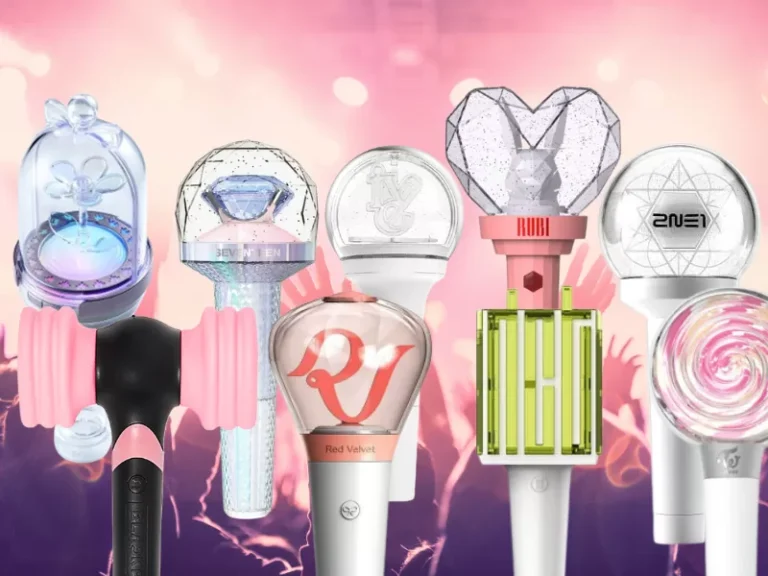
If you’ve spent enough time in K-pop spaces online, you’ve probably seen fans arguing about “2nd gen supremacy,” debating whether a group is “4th gen or 5th gen,” or calling a newer idol “the next 3rd gen it-girl.” To longtime fans, these labels feel intuitive. To newer listeners, they can sound confusingly arbitrary.
But K-pop generations are actually a useful way of understanding how the industry evolved — musically, visually, technologically, and culturally. Each generation reflects a different era of Korean pop culture, shaped by changing trends, new technology, shifting fan behavior, and the growing globalization of Hallyu.
And while there’s no official government-approved chart declaring when one generation ends and another begins, most fans generally agree on the broad timeline.
Understanding the generations helps explain why older fans speak about certain groups with almost mythological reverence, why newer groups promote differently from their seniors, and why K-pop today feels vastly different from what it looked like twenty years ago.
Here’s a closer look at K-pop’s 1st through 5th generations — and how each era changed the industry forever.
1st Generation K-Pop (Mid-1990s to Early 2000s)
The Birth of Idol Culture
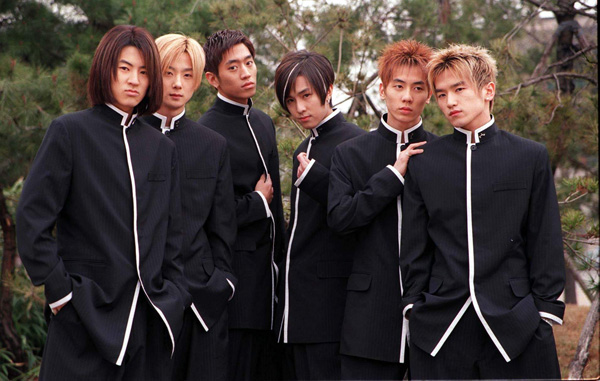
Modern K-pop, as we know it, essentially began with Seo Taiji and Boys.
When they debuted in 1992, they completely disrupted the Korean music industry by blending Western-style hip-hop, rap, dance music, and youth culture into mainstream Korean pop. Their influence was enormous. Almost every idol group that followed owes something to the blueprint they created.
Soon after, entertainment agencies began developing the trainee system that still defines K-pop today. Companies like SM Entertainment, YG Entertainment, and JYP Entertainment emerged as major players.
This era introduced legendary groups like:
- H.O.T.
- S.E.S.
- g.o.d
- Fin.K.L
- Shinhwa
Many things fans now associate with K-pop began here: fandom names, official balloon colors, synchronized choreography, and obsessive fan culture.
The production style feels noticeably different from modern K-pop. Songs leaned heavily into R&B, Eurodance, bubblegum pop, and sentimental ballads. Fashion was bold in an almost chaotic way — shiny outfits, oversized streetwear, tinted sunglasses, aggressively frosted makeup.
But emotionally, 1st gen K-pop feels surprisingly sincere. Idols weren’t polished in the hyper-controlled way many modern idols are. Performances often felt rawer and less perfected, which gives the era a nostalgic charm today.
This was also when Hallyu first began spreading outside Korea, particularly into China, Taiwan, and Southeast Asia.
2nd Generation K-Pop (Mid-2000s to Early 2010s)
The Era That Made K-Pop Global
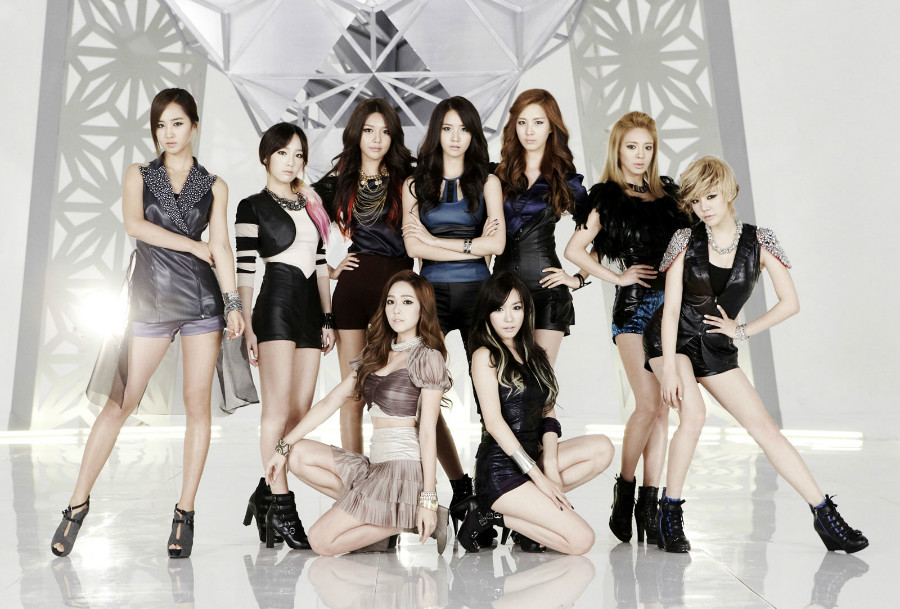
If 1st gen built the system, 2nd gen exported it to the world.
This is the era many older international fans remember discovering through grainy YouTube videos and fan-subbed variety shows. It was messy, iconic, ridiculously entertaining, and culturally transformative.
2nd generation idols didn’t just become singers — they became personalities. Variety shows exploded in popularity, and fans became deeply attached to idols’ humor, friendships, and chaotic group dynamics.
This era produced some of the most influential groups in K-pop history:
- Girls’ Generation
- BIGBANG
- 2NE1
- SHINee
- Wonder Girls
- Super Junior
- KARA
- TVXQ
Musically, this generation was wildly experimental. Bubblegum pop sat beside heavy autotune, electro-pop, emotional ballads, and early EDM influences. Hooks became bigger, choreography sharper, and concepts more theatrical.
This was also the golden era of addictive K-pop choruses. Songs like “Gee,” “Sorry Sorry,” “Lucifer,” and “I Am the Best” weren’t just hits — they became cultural events.
Importantly, 2nd gen idols helped establish Japan as a crucial overseas market. Many groups released Japanese albums, held arena tours, and built massive fandoms abroad long before K-pop became mainstream in the West.
YouTube also changed everything during this era. Suddenly, international fans could access music videos instantly. The viral success of PSY’s “Gangnam Style” in 2012 became a major turning point, proving K-pop could dominate globally.
3rd Generation K-Pop (2012 to Around 2018)
The Social Media Explosion
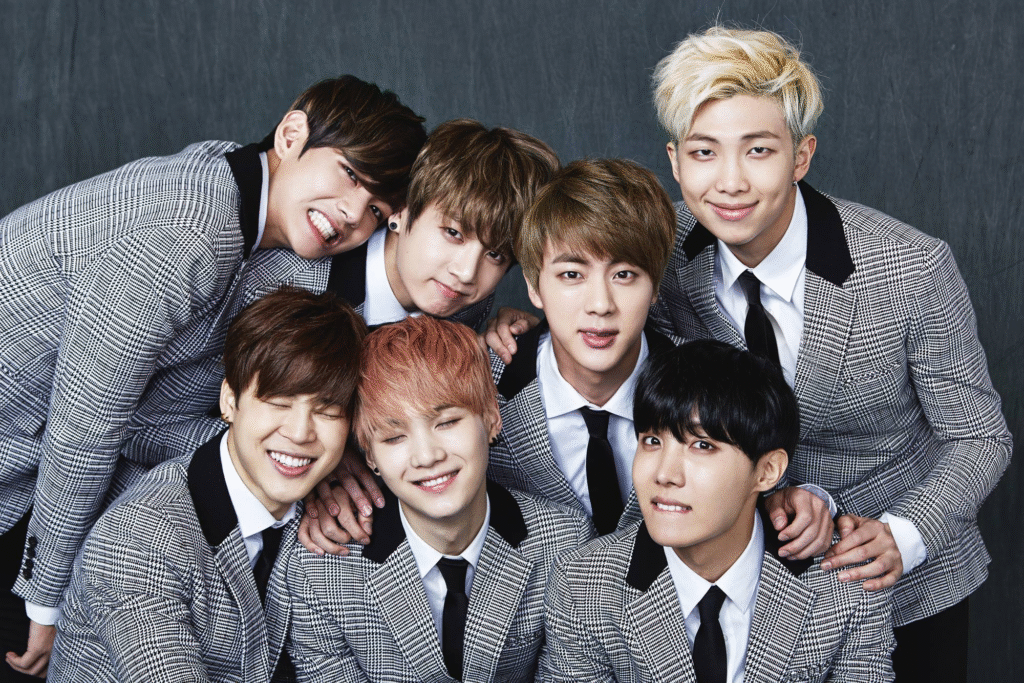
3rd gen is arguably the era that transformed K-pop from a niche global fandom into mainstream international pop culture.
This generation benefited enormously from Twitter, Instagram, V Live, and increasingly globalized social media platforms. Idols became more accessible than ever before. Fans no longer relied solely on fan translators or forum communities — idols communicated directly with audiences in real time.
This era introduced industry giants such as:
- BTS
- BLACKPINK
- EXO
- TWICE
- Red Velvet
- SEVENTEEN
- GOT7
3rd gen polished the idol system into something remarkably global-facing. English subtitles became standard. World tours expanded aggressively. Album packaging evolved into collectible art objects.
The music also became more internationally hybridized. Trap beats, tropical house, moombahton, and Western pop influences blended heavily into K-pop production.
And then came BTS.
It’s impossible to discuss 3rd gen without acknowledging how profoundly BTS reshaped the industry. Their rise altered the scale of K-pop’s global ambitions permanently. Suddenly Billboard mattered. Grammy conversations happened. Stadium tours became achievable.
BLACKPINK similarly expanded K-pop’s influence in fashion and luxury branding, helping normalize idols as global ambassadors for major fashion houses.
3rd gen was polished, ambitious, hyper-online, and globally explosive.
4th Generation K-Pop (Around 2018 to 2023)
Performance, Virality, and Digital Fandom
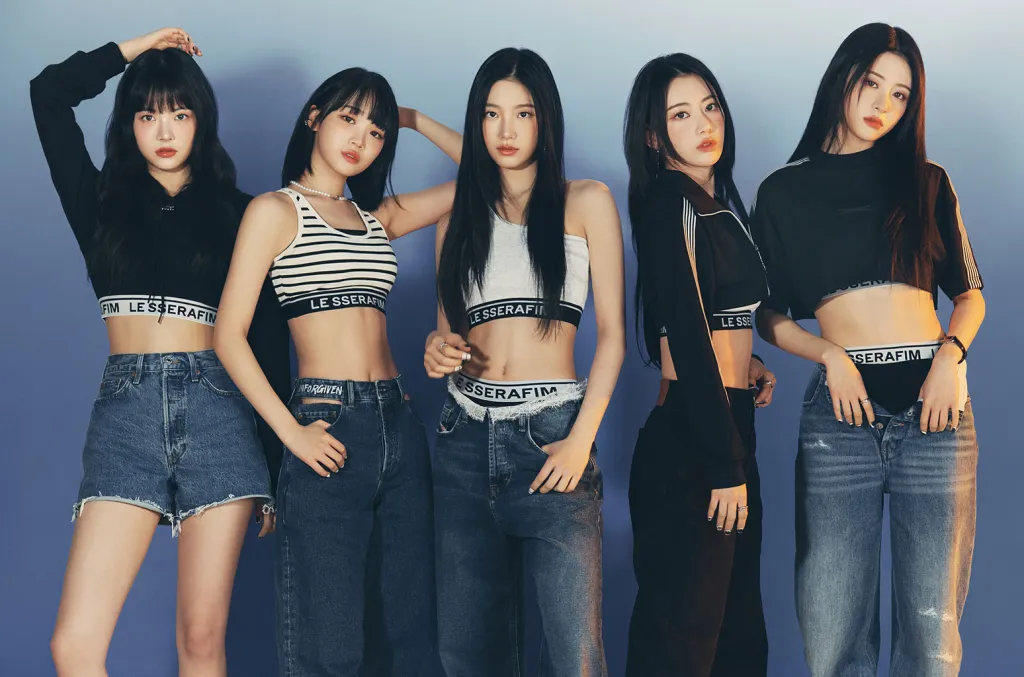
4th generation idols debuted into a very different environment. By this point, K-pop was already global. The challenge was no longer introducing the genre to the world — it was standing out in an overcrowded market.
Performance became central.
4th gen groups are often astonishingly skilled dancers, with choreography becoming more athletic, intricate, and visually optimized for TikTok and short-form video content.
Major 4th gen groups include:
- Stray Kids
- ATEEZ
- ITZY
- aespa
- TXT
- IVE
- LE SSERAFIM
- NewJeans
Conceptually, 4th gen became more visually immersive. Lore-heavy storytelling, cinematic teasers, AI concepts, multiverse narratives, and highly curated aesthetics became increasingly common.
This generation also grew during the pandemic, which dramatically changed fan interaction. Online concerts, fancalls, Weverse communities, and TikTok challenges became essential parts of idol promotion.
4th gen fans consume content differently too. The pace is faster, trends shift rapidly, and virality matters immensely.
Groups like NewJeans later disrupted even 4th gen norms by embracing minimalism and understated Y2K aesthetics instead of maximalist concepts.
5th Generation K-Pop (2023 Onward)
The Era We’re Still Defining
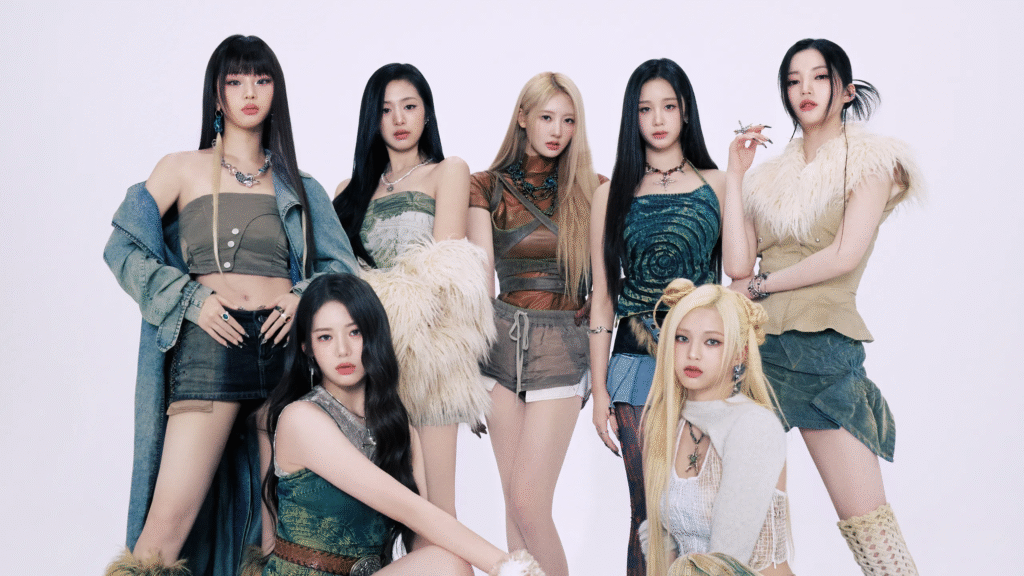
Many fans generally consider groups debuting around 2023 onward to belong to 5th gen, including:
- ZEROBASEONE
- RIIZE
- BABYMONSTER
- TWS
- ILLIT
So far, 5th gen appears defined by accessibility and algorithm-driven fandom culture. TikTok influence is enormous. Songs are shorter. Concepts are more immediately digestible. Fan interaction feels constant and highly personalized.
There’s also a noticeable shift toward softer branding again — emotionally approachable idols, nostalgic aesthetics, and easier listening music rather than purely aggressive performance-focused concepts.
At the same time, companies now debut groups into an industry that is intensely competitive and globally scrutinized from day one.
5th gen idols grow up understanding fandom culture before even debuting. Many trained while already active online consumers of K-pop themselves.
So Which K-Pop Generation Is the Best?
Honestly, there’s no correct answer.
Some fans love 2nd gen’s chaos and iconic personalities. Others prefer 3rd gen’s polished global expansion. Newer fans may connect most strongly with the highly interactive culture of 4th and 5th gen groups.
Each generation reflects a different moment in both Korean culture and internet culture. And each one changed the industry in ways the next generation inherited.
Without 1st gen, there’s no idol system.
Without 2nd gen, K-pop doesn’t globalize.
Without 3rd gen, K-pop doesn’t dominate globally.
Without 4th gen, K-pop doesn’t fully adapt to digital virality.
And without 5th gen, the industry doesn’t evolve for the next era of fandom.
The interesting thing is that K-pop generations aren’t really replacing one another. They coexist. Older idols still tour stadiums while rookies debut every few months. Fans move across generations constantly, discovering older music through TikTok edits, survival shows, or algorithm recommendations.
K-pop keeps reinventing itself because every generation builds on the last — louder, faster, stranger, and somehow even more global than before.